The wines of Sicily – a wine region like no other

The fishing village of Scoglitti which believe it or not triggered my passion for Sicilian wines

Maybe it is because of Malta’s close affinity to Sicily, or because of the fact that I have been there so many times, but I find Sicilian wines to be extremely interesting. True, they might not compare with the finesse of Barolo’s from Piemonte or Brunello di Montalcino from Tuscany but still they are extremely fascinating.

Sicilian cuisine to me epitomises what is best about Mediterranean food. Take simple, sometimes humble ingredients and within minutes you have the makings of a great meal. Like my home country, Sicily is a hotpot of different influences from the Mediterranean. Some of the most memorable meals I have experienced were in Sicily whether it was a menu free restaurant in Scoglitti serving just one fish dish after another of what their fishermen had caught earlier in the day, to some of the best pasta creations. Nothing beats their spaghetti with sea urchins or pasta with prawns and pine nuts or pistachios which are so common in Sicilian cuisine.

But this post is not about Sicilian food but rather about its wines. Sicily came rather late to the wine connoisseurs attention and for various reasons. For many years, Sicilian wine producers made wine which were transported to the North of Italy to be blended with other more well known wines. There were also a few large producers who mainly focused on quantity rather than quality.

But a handful of winemakers, also spotting the potential of this island, decided to take matters into their hands starting from the 1990s and began to make their own wines under their own labels. This has led to a major reversal of fortunes and many now consider Sicily to be one of the most interesting wine regions in Italy.

Some winemakers like Cusumano call Sicily a continent because of so many terroirs that this island has to offer. The variety of wine styles that have emerged in recent years ensures that this may indeed be the case.

There are parts of Sicily which are further South from Tunisia and therefore extremely hot for wine making. Nevertheless, the wines produced, despite their intensity also have the right amount of acidity which makes for balanced wines when aged well. I can assure you that a 10 year old Nero d’Avola can give you as much pleasure as more renowned wines.

The Nero d’ Avola is the most well-known grape from Sicily and it originally comes from South-East Sicily (Avola) close to Pachino which is world famous for the cherry tomato variety of that name. Nowadays, Nero D’Avola is grown pretty much across the whole island.

Then there are wines from higher altitudes or those from the volcanic region of Etna which offer great examples of the potential that wines from volcanic regions have. Here, the most interesting grape is the Nerello Mascalese which is traditionally grown on the slopes of Mount Etna. The wines from the Etna have an exceptional minerality mainly because of the volcanic soil.  One of my long time favourites from this area are the wines from the long established Benanti. Many Sicilian wine makers have now invested in this area including Tasca d’Almerita, Cusumano and Firriato. One of the most innovative in the Etna region is Belgian winemaker Frank Cornelissen who has established himself with his natural wines which use no sulphur whatsoever. His are considered to be cult wines.

The main white grape variety of Sicily is the Insolia which is a very fruity wine but when well made has great balance in terms of fruit and acidity. It also blends well with international varieties such as Chardonnay.

The first time I discovered Sicilian wines was thanks to a passionate wine lover who had a great Enoteca in the small fishing village of Scoglitti. He had a small but very interesting selection of wines in his enoteca. He guided me years ago to some of the best winemakers the island had. My fascination with Sicilian wines grew from there.

Among my favourite winemakers are Benanti, Cusumano, Morgante, Firriato, Tasca d’Almerita, Ceuso and Planeta. I will write about these and many more wine producers in future blogposts. There are many other winemakers worthy of a mention. So watch this space for more blogposts in future.

But if you find any one of the Sicilian wines from the above producers try them out. You will not be disappointed. One tip: Sicilian wines in comparison to wines of similar quality are cheaper so I would recommend that you try to acquire the higher end wines. You can find exceptional quality for wines between 10 Euros and 30 Euros.

Among my long time favourites are Cusumano’s Noa, a blend of Nero d’Avola, Cabernet Sauvignon and Merlot, Cusumano’s Sagana, 100 per cent Nero d’Avola, Rosso del Conte from Tasca d’Almerita, the Nero d’Avola from Morgante, Harmonium from Firriato and the Pietramarina from Benanti.

Siciliy is also home to one of my favourite ever wine shops, the Enoteca Picone. It has an amazing selection of wines from Sicily as well as many of the best Italian wines you can find elsewhere. If you are ever in Palermo, then this is a must visit.


Winehouse Osteria – a taste of Italy in the heart of Brussels

20140712-225353-82433023.jpg
The cosy Winehouse Osteria close to Place St Gery in central Brussels

It is with a certain amount of trepidation that I recommend and then test a place with friends particularly if it is relatively new and has very little reviews. But like the best secrets in life, word of mouth is normally a sure bet even if there is always that expectation that something might go wrong.

I came across Winehouse Osteria thanks to recommendations from some friends after I wrote about Caffe al Dente in Uccle. This place just off the Place St Gery area is quite a find. Part wine shop, part coffee shop, part Osteria, the restaurant is extremely small and cosy but worth a visit.

If you are nostalgic about Italy or craving for an Italian experience, then this will not disappoint you. Forget for a while that you are in central Brussels and this osteria/enoteca could easily be in a small beautiful village somewhere in Italy.

The wine list is interesting and reasonably priced. You will find many bottles below 20 Euros which is not common in Brussels with a great selection of wines in the 20 Euros to 35 Euros range (a common price for entry level wines in most restaurants in Brussels). If you decide to just take home some wines, then the price is also listed on the wine list and considerably cheaper. Italy is well covered. Just to give you an example, I even found a wine from Liguria which is not a common sight on wine lists outside this region.

They had a number of wines from the wine list missing when we went, but their recommendations as a replacement were spot-on.

Winehouse Osteria also has a great selection of wines by the glass. The prosecco to start with was creamy and excellent. They also serve Aperol Spritz for those nostalgic about the ‘aperitivo’ in Italy.

The beauty about this place is that you can visit at any time between 7.45am and late in the evening. You can just go for a coffee in the morning, lunch or dinner in the evening or even a glass of wine at any time.

20140712-225354-82434004.jpg
The aubergine parmigiana and the zucchini parmigiana. Both perfectly done.

This is not your normal Italian restaurant. You will not find pizza or pasta dishes (except for their lasagna). But the food menu is interesting. Apart from cheese and salumi platters there is a small range of interesting dishes. When we went we tried a carpaccio of beef (excellent), a cheese and salumi platter (very good) and grilled peppers. The parmigiana of aubergine was exceptional as was the one made with zucchini. I had the involtini of chicken with guanciale and scamorza seres with a grilled scamorza and tomato sauce and peas. The polenta dish with a cheese, confit onion and lemon was also an excellent combination of flavours.

It was obvious when we were there that the people running Winehouse Osteria are passionate about what they are doing even if they seem to be working miracles form their tiny kitchen which serves this small osteria.

If there was point to criticise it was their desserts. The tiramisu was good but not exceptional and the ice-cream seemed like it was a supermarket ice-cream.

Price for central Brussels is also very reasonable. We paid around 35 Euros per person for an aperitivo, starter, main course and dessert. This is a place to visit if you like wine and want something different in central Brussels.

Verdict: Amid many tourist traps in central Brussels this is worthy of a visit, even for those like us who rarely venture to this side of town to dine. The target audience is clearly locals given most tourists may be tempted to try something more traditionally Belgian in the centre. Nevertheless, if you are craving for comfort food, want to share a glass of wine with friends over a nice cheese or salumi platter or fancy some comfort food, I am sure you will not be disappointed.

Winehouse Osteria: Rue de la Grand Ile, 42, Brussels. Open everyday from 7.45am to 11pm.


Le Fruit Defendu

Booking a restaurant for a night out in Brussels can be quite a challenge especially for the really sought-out places. First you need to make sure that the restaurant is open on the day you want to go. Believe it or not this is a non-trivial issue. On one Saturday evening a few months ago, out of a list of seven restaurants we wanted to visit, six were closed, the seventh was fully booked. Therefore planning ahead is of utmost importance.

The same thing happened last Monday evening. Our first preference was closed, our second preference was fully booked, the third option was also closed so we opted for the tried and tested Le Fruit Defendu on Rue Tenbosch in Ixelles.

We were not disappointed. This was our second visit to this cosy restaurant in the area between Lepoutre and Chatelain. The food remained consistent and so has the service. Chef Pascal Frénot retained the same formula of six starters and six main courses which practically change on a daily basis depending on what is available at the market and what tickles the chef’s fancy.

This is clearly a French classic but there are also some inventive elements to his creations.

The menu is balanced between fish and meat. On the two occasions we were there, there were three fish starters and three fish main courses and three meat starters with three meat main courses.

There are many things I like about this restaurant. First, Pascal works in an open kitchen and therefore you can observe what is happening in the kitchen. You need to be extremely confident to operate a restaurant kitchen with such transparency. Second, the service is also excellent. The menu is written on a blackboard and hence changes regularly but it was perfectly explained when you are about to place your order. The wine list is interesting with a good selection of wines at different prices though it could have been more detailed and have a bit more depth in terms of choice.

IMG_4604
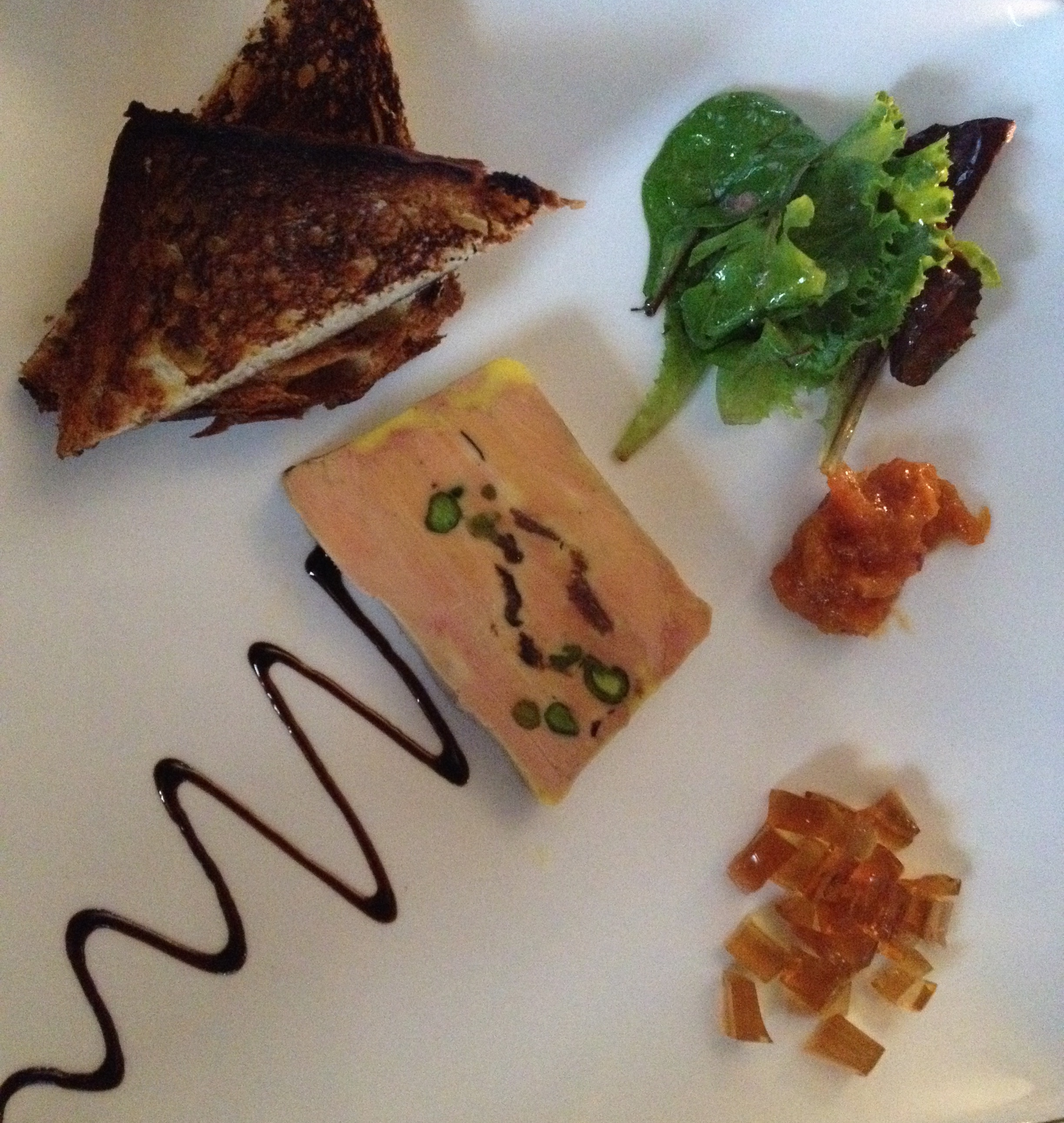
The signature dish – a Nougat of Fois Gras
IMG_4608
Tartare of herring

We tried the foie gras which we were told is Pascal’s signature dish and it turned out to be excellent. Our friends choose a tartare of herring and the last portion of lobster ravioli served with a lobster bisque. I ordered a pasta dish with octupus, prawns and calamari topped with espelette pepper which was probably the best ever pasta dish I have eaten at a non-Italian restaurant.

IMG_4611
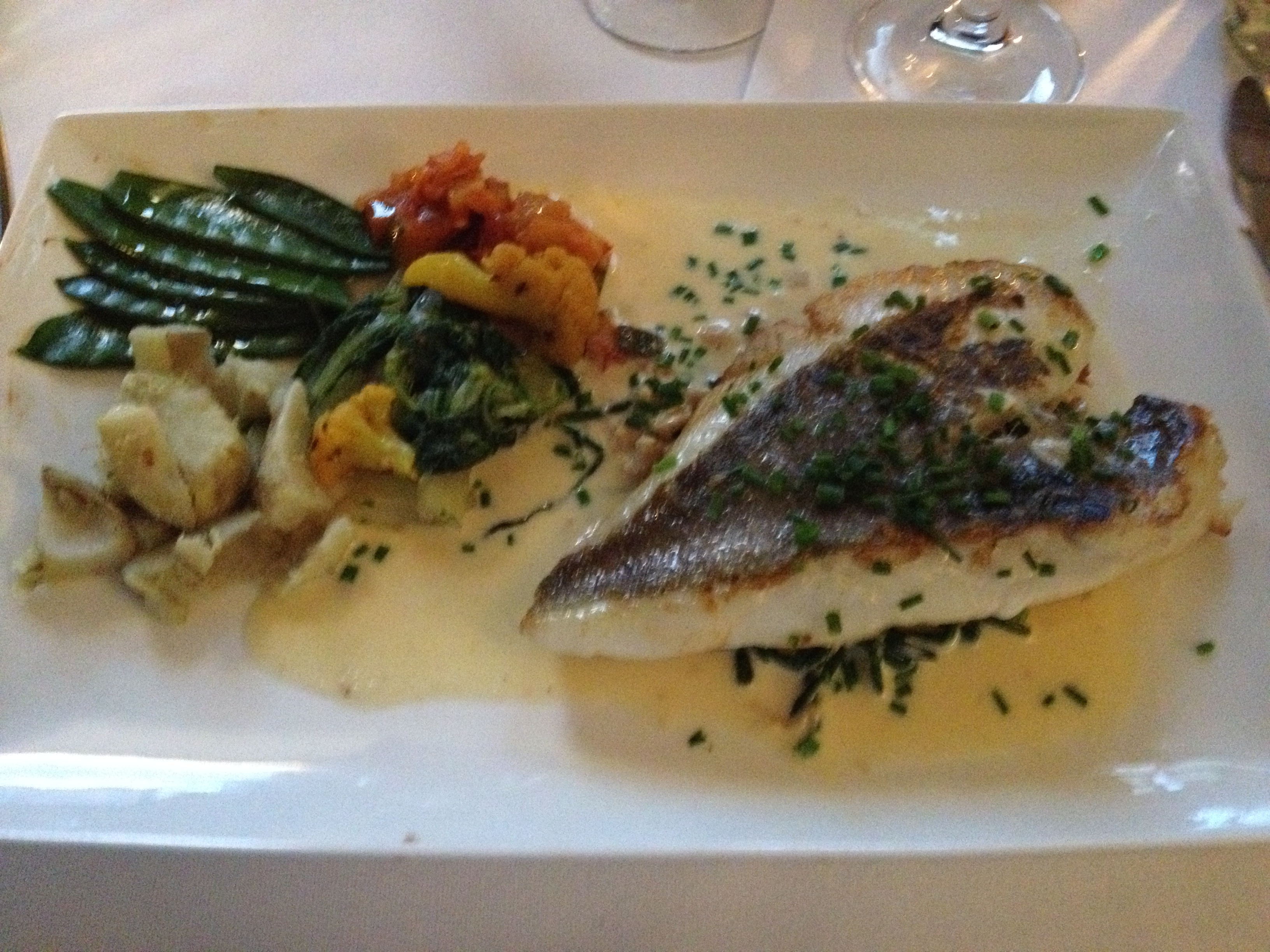
The John Dory – not too fond of creamy sauces with fish but this worked very well
IMG_4612
The herb crusted cod

For the main course two of us choose a John Dory served with a beurre blanc with crevettes. We also opted for a sea bass served with a herb sauce and cherry tomatoes and cod crusted with herbs.

IMG_4619
The excellent and nicely presented blueberry tart

the choice was interesting. We chose for four different desserts, all not only looked great but were also extremely good. We had a creme brulee with peaches, a tiramisu with strawberries, a blueberry tart and an iced coffee cream.

Verdict: The atmosphere is cosy and warm, the food is excellent, the service great. This place is well worth a visit. In this area I would put it on a par with En Face de Parachute and La Canne en Ville both of which we find excellent. Expect to pay around Eur 60 to Eur 70 per person. It is dimly lit, which makes for a great atmosphere but alas the photos are slightly blurred so apologies.

Le fruit défendu: Tenbosstraat 108Ixelles, Brussels. Closed on Saturday and Sunday.


Lac du Genval

IMG_3927I am always surprised at how few people know about or have been to Lac du Genval, just 20 minutes away from Brussels. In a way this is better since this scenic lake is not too crowded. The lake is part of the Rixensart and Overijse villages in Wallon Brabant and Flemish Brabant and is surrounded by beautiful turn-of-the century homes.

There is also a hotel by the lake, the Chateau du Lac. For those looking for a day trip out of Brussels, then you could also visit the Chateau de la Hulpe which is not too far away.

This small lake also has a number of restaurants and cafes and is therefore a perfect place to chill out either on a summer evening or during the weekend.

The walk around the lake takes around 30 minutes and you will pass by a small yacht club, beautiful houses, fishermen enjoying the silence away from the hustle and bustle of central Brussels. You can just stroll and enjoy the scenery but many people also come here to jog or bike in this scenic environment.

MINOLTA DIGITAL CAMERABut the reason I like Lac du Genval so much apart from all of the above is an Italian restaurant aptly named La Laguna. If someone puts me on the spot and asks me to name a favourite restaurant then this will surely be one of the first ones I would mention.

Let’s start with the basics. There is no sophistication in the cuisine. However, both the food and service have always been consistently good whenever we have gone (countless times). The obvious selling point of this restaurant is clearly its outdoor terrace just by the lake as well as its indoor window which has a splendid vista of the lake. For someone so used to water and the sea, this is probably as good as it gets 20 minutes from Brussels.

Here you will dine a stone’s throw away from the lake. The menu is varied with some specialities from Sardegna. Pasta and pizza are extremely good. I particularly like their Spaghetti alla Bottarga.

You also need to look out for their specials. I can only recommend the homemade ravioli with artichokes (only served when the latter are in season) and a bottarga sauce (mullet roe). This is a match made in heaven and something I have found only at this restaurant. Their tiramisu is also very well made.

La Laguna is also a child-friendly restaurant and the staff always make the children feel welcome interacting with them throughout the service.

The same owners also have La Fontanell which is also highly recommended but which, unfortunately we have never been to because we cannot resist the allure of La Laguna. La Fontanell has a very good play area for children at the back of the restaurant so this is really a good place to take children.

There are other restaurants around the lake but here we stick to the tried and tested. Great Italian food, excellent service and a beautiful view. What else could you ask for?


My top patisseries in Brussels

When you live just around the corner from Le Saint Aulaye it is extremely difficult to justify a detour to try other bakeries in Brussels given that this patisserie is one of the most well known in the Belgian capital. There is a risk of disappointment given that this bakery/patisserie sets the bar extremely high.

There is a reason why there are queues every morning and especially on the weekends. Whatever you try here is of exceptional quality. Whether you buy bread (for which he is famous for), his pastries or cakes, you will not be disappointed. He uses bio ingredients but on top of it is is obvious that the ingredients used are excellent. I have yet to come across a pain au chocolat which is better than the one of Le St Aulaye. You can actually taste the quality of the butter used.

A trip to Le Saint Aulaye is also worthwhile because of the other shops in this neighbourhood (more about that in a future post).

So my recommendations for the patisseries are what the Michelin guide would say as being ‘worthy of a detour’ at the very least.

1. Le Saint Aulaye

There is little more to say about Le Saint Aulaye. This is clearly my favourite and not just for the convenience of being around the corner. Go there, buy bread, croissants, pain au chocolat for breakfast and then get one of their excellent cakes. You will not be disappointed. Their ice-creams are also worthy of a recommendation. If you plan to visit take note that it is closed on Mondays.

What I like most about their pastries is actually the complexity and depth of flavours. If you have never been, you should really pay a visit. Le Saint Aulaye is also famous for his Bouche de Noel. In the beginning of December you can try them all on the weekend before making your order.

Le Saint Aulaye: Rue Vanderkindere 377, 1180 Brussels. Closed on Mondays

Panorama indoor
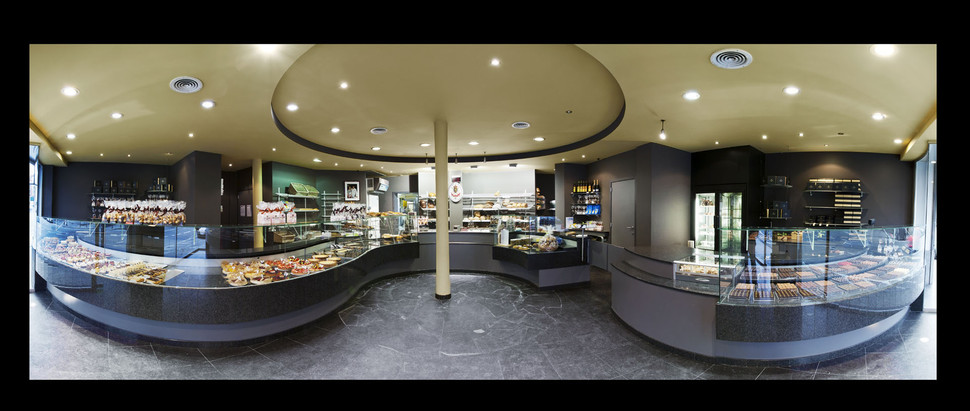
The interior of Van Dender (photo from website of Van Dender)

2. Van Dender

Van Dender on Chaussee de Louvain in Schaerbeek also makes exceptional cakes. They are so good we transported them to Malta for our wedding (it is a long story but one which I remember with a smile given how complicated the logistics proved to be). We discovered Herman Van Dender thanks to an Italian chef and we were clearly not disappointed. When I tried his cakes for the first time, it was like tasting something completely out of this world. Little wonder that he has won a gold medal at the Coupe du Monde de la Patisserie in Lyon. Also try his chocolates for something different. They are also extremely good.

Van Dender: Chaussee de Louvain 416, 1030 Brussels. Closed on Mondays.

fabricecollignon-a_bibaut22249
The amazing macaroons of Fabrice Collignon. Photo courtesy of their website.

3. Fabrice Collignon

The shop window at Fabrice Collignon was always spectacular so when we paid a visit the first time to try his macaroons and cakes we were not surprised about how unbelievably good they were. And when I eventually bought what could be considered as the French pastry bible by Alain Ducasse, the famous Grand Livre de la Cuisine, I was surprised to discover that Fabrice Collignon was indicated as a person who contributed to the book on desserts. I was sure that it was one and the same and this can be confirmed on his website. If you have never tried his creations, then you really should go. His macaroons are exceptional.

Fabrice Collignon: Chaussée de Waterloo, 637 1050 Brussels. Closed on Mondays.

4. Pierre Marcolini

In the Sablon area, Pierre Marcolini is maybe better known for his chocolates and rightly so. But his cakes are also extremely good and on the plus side, just a bit further up from his corner chocolate shop in Sablon you can actually see them preparing their signature cakes which are really worth trying.

La Manufacture – Place du Grand Sablon, Brussels. Closed on Mondays.

5. Wittamer

Just opposite Pierre Marcolini is Brussels institution Wittamer which many would consider as the pinnacle of pastry cake shops in the Belgian capital. There is no question that the cakes are exceptional. The plus point is that you can also sit in this trendy neighbourhood and try the creations together with a tea or coffee. If there is probably one patisserie which is known even by the non-Brussels based people, then Wittamer is clearly the one.

Wittamer: Place du Grand Sablon, Brussels.

6. Yasuhi Sasaki

It is difficult to compete with French and Belgian pastry chefs but Yasuhi Sasaki, a Japanese patissier clearly can hold his own. It is a pity that the neighbourhood he is in is not one where we tend to go for shopping. But for anyone living in the Woluwe area or else going there, then this is clearly a must visit. The quality is extremely high and at a par if not better then some of the above.

Yasuhi Sasaki: 10 Avenue des Franciscains, 1150 Brussels. Closed on Wednesdays.

Do you know other great patisseries in your neighbourhood? What are your all time Belgian favourites? Don’t hesitate to drop me a line.


Liguria (2) Camogli – one of the most charming fishing villages

IMG_4626
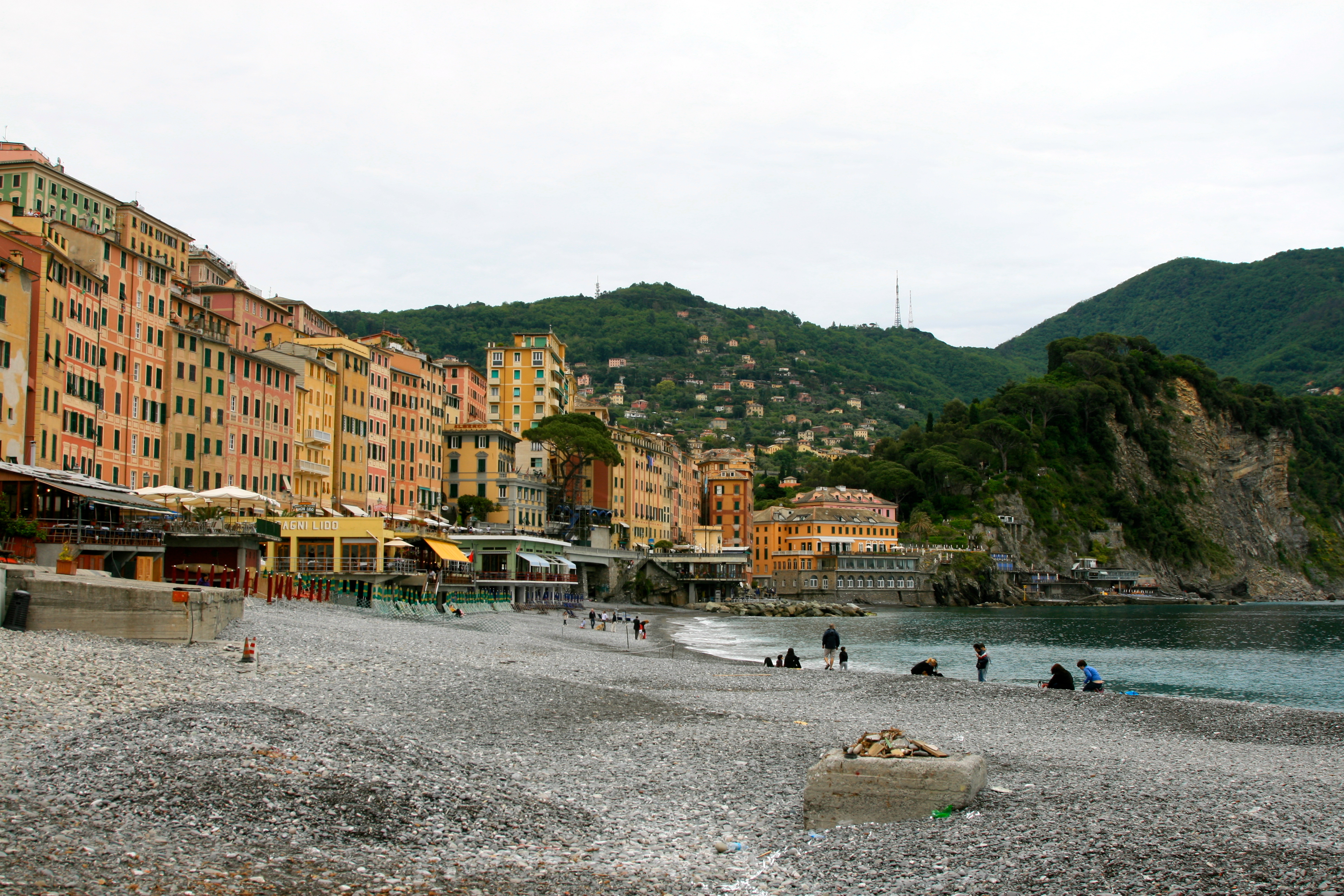
The view of Camogli – a charming fishing village

The first time we visited Camogli, we missed this fishing village, it is so hidden. The GPS in my car, normally reliable, took us to a hill whereby we could observe a superb view of Camogli and the Ligurian coast but couldn’t spot the way to get there.

After some time driving around we finally discovered that we needed to take a narrow street down towards the village centre. What we then discovered was amazing. Parking may be difficult depending on the time of year you visit but don’t be discouraged. It is really worth your time.

Camogli (Camuggi in Genoese dialect) is a small Italian fishing village and tourist resort located on the west side of the peninsula of Portofino, on the Golfo Paradiso at the Riviera di Levante, south from Genova. The name means “house of wives” ( casa delle Mogli ).

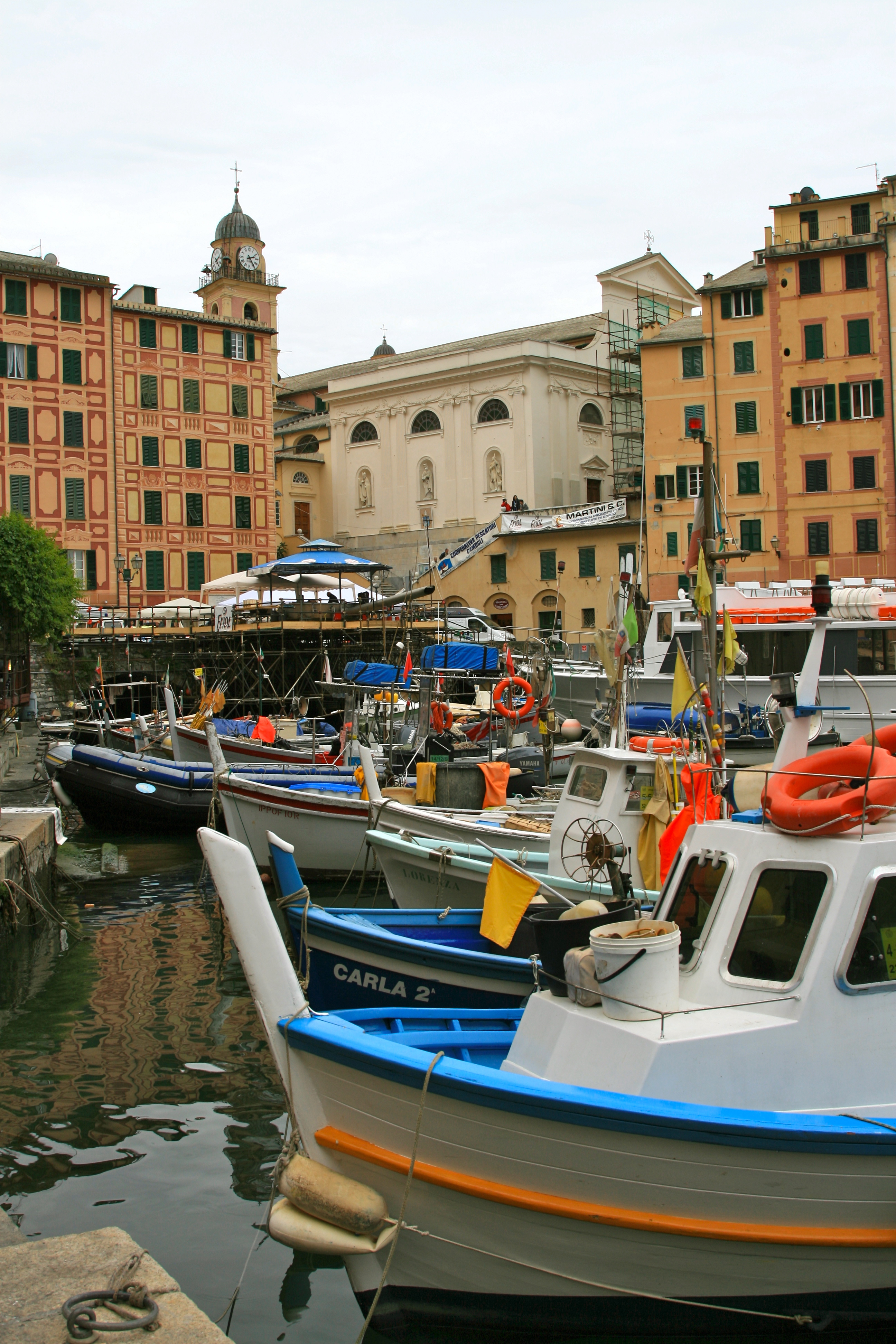
We visited Camogli twice in May and another time in June. Both times the weather was great so people were eating out in the terraces with a splendid view either of the coastline or the tiny but colourful fishing village which bustles with activity. It is said that the fishermen of the village painted the houses in this manner to ensure that they could spot it when they were returning back to the port after their fishing trips. This makes for a great vista as you can see from the photos.

IMG_4649The maritime museum is also worth visiting though not easy to find. For a Maltese, this museum is special because it has paintings of a well known marine artist Nicola Cammillieri, active during the first half of the 19th century who painted beautiful ship portraits both entering the Maltese Grand Harbour as well as in other Mediterranean ports. There are a number of Camilleri’s paintings in the museum, many donated by families from Camogli and most of these are in excellent condition.

Where to eat: Just like in most places in Liguria you will find many Focacceria’s in Camogli. We tried Vento Ariel which overlooks the harbour. The food here was excellent. The menu changes according to the season so you are bound to experience different dishes whenever you go. The children devoured the Ligurian pasta (trofie) with freshly made pesto and I still remember a pate made with cuttlefish and anchovies which are a speciality of the region and the restaurant. The pasta with seafood and fresh fish were also extremely good as was the wine we drank from Azienda Agricola Pino Gino.

Semmu Friti, on the way down to the fishing village is a small takeaway serving, as the name suggests, typical Ligurian deep fried dishes. Here you will find delicious frittelle di baccala, stuffed anchovies and even the traditional ‘farinata’ made with chickpea flour. The deep-fried calamari is also exceptional.

Xodo is another good restaurant and bar serving typical dishes. This is an inexpensive restaurant which is normally packed. On a nice day, you eat outside overlooking the beach. The deep-fried anchovies as starter were excellent as was the fresh seafood black ravioli (using squid ink),

What to do: Just stroll around the seafront, visit the touristic boutique shops and sit and enjoy the sun. Visit the Maritime Museum. Walk on the pebbled beach or take a boat ride to neighbouring Portofino or San Fruttuoso, the latter only reachable by sea. In a recent article in the FT food and drink section Ruth Rogers of the River Cafe mentioned da Laura, on the beach of San Fruttuoso as one of her favourite restaurants in the world. Clearly something to remember for my next visit to Liguria.


IMG_4623
The colourful fishing port
IMG_4620
The view from the hill overlooking Camogli

IMG_4655 IMG_4644