Pairi Daiza – one of the best attractions in Belgium

20140727-202605-73565373.jpg

There is no doubt to my mind that Pairi Daiza is one of the best attractions in Belgium. I would dare to say that it is probably also one of the best animal parks you can visit in Europe such is the beauty of this dream garden of 55 hectares.

Pairi Daiza can be found in Brugelette within the ruins of the Cistercian Abbey of Cambron and is protected from the outside world by a wall that stretches three kilometres. It means enclosed garden in ancient Persian. It is the oldest known name for paradise. This is really a paradise for children and adults alike.

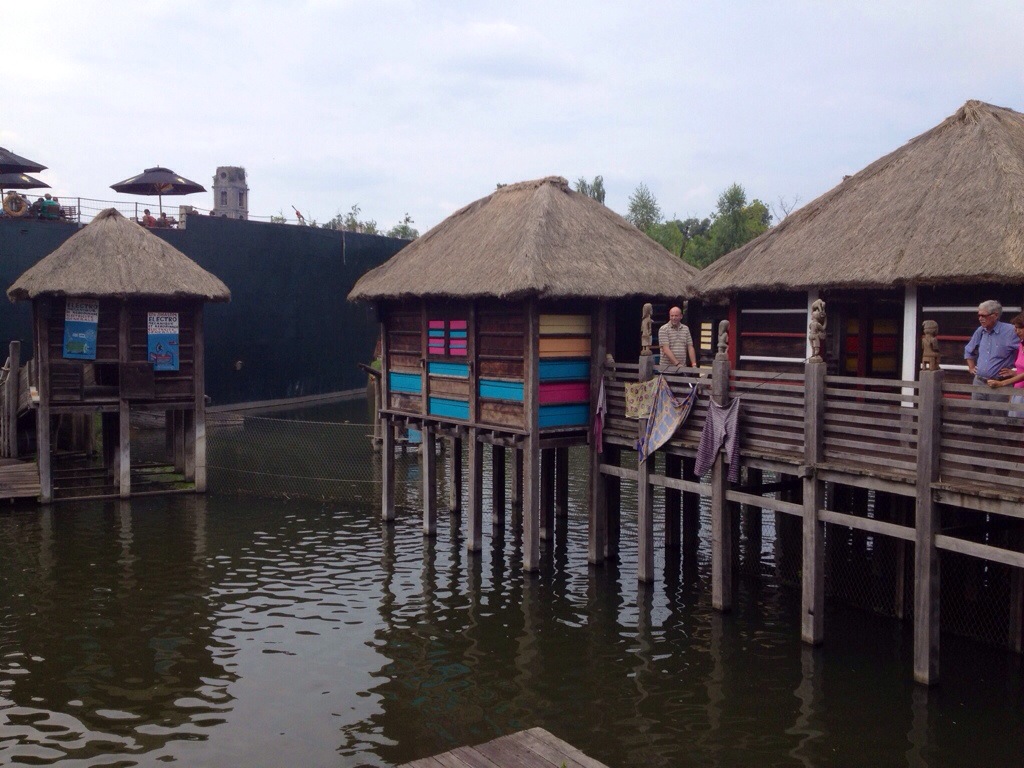
The garden is an architectural and cultural treasure. You will be surprised by the attention to detail that has gone into the development of the park. The architecture of the garden has been created by workers from China, Indonesia, Thailand and Africa adding to the authenticity to the place.

The park is constantly being upgraded so no visit is the same. This year, to receive the pandas, the already massive Chinese garden (the largest in Europe) has been enlarged.

I must confess that I have lost count as to how often we have been to this park. This is the third consecutive year we get a season ticket (if you go twice in a season you are better off getting a season ticket) and we and the children never get bored of visiting this botanical garden and animal park.

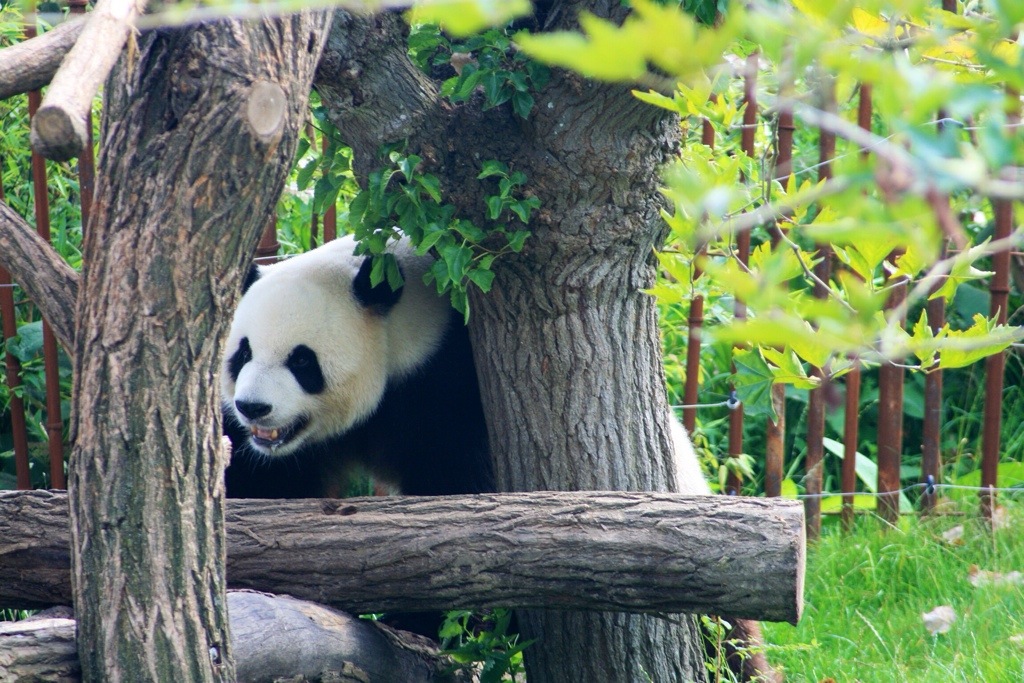
This year, there is the obvious added attraction of two Pandas which have been given to the park by the Chinese government for 15 years.

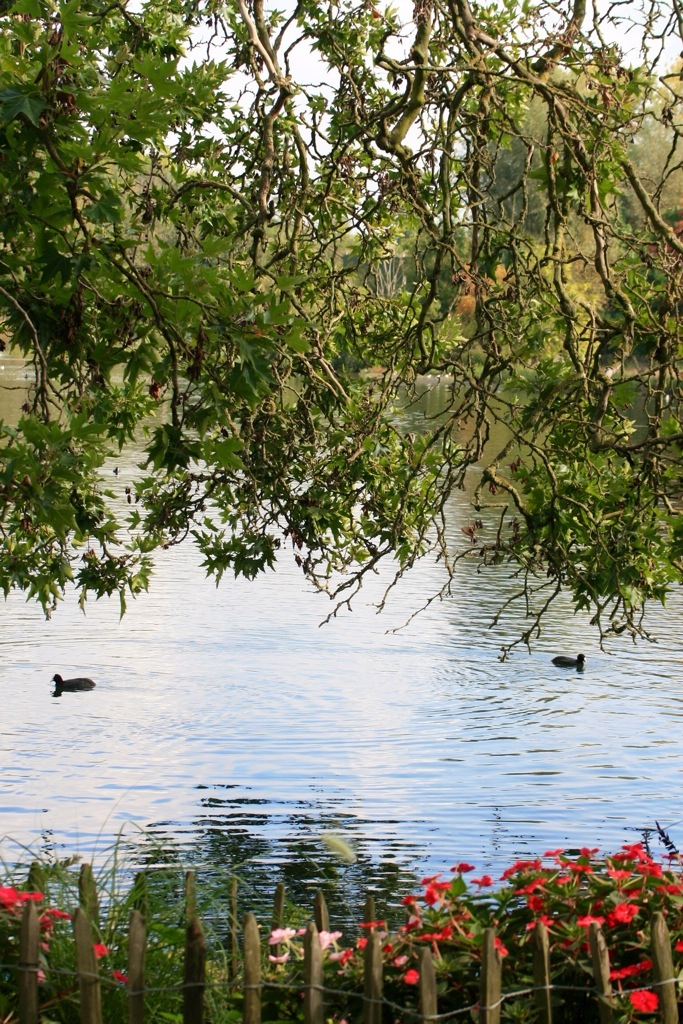
At Pairi Daiza you will find first and foremost nature, with beautiful ancient trees, huge birds of all kinds flying around the park, beautiful ruins of the Cisterian Abbey, flower beds and beautiful  plants coming from across the world.

There is an aquarium within the park which is well worth a visit as well as a huge playground just below it.

The train ride, always a winner with the children is not running this year and will only be ready for next season because the park has been enlarged. It is maybe a pity since this is one of the best ways to view the beauty of this park.

If you have never been to this park (and you live in Belgium) then you might hesitate before getting a season ticket. But it is worthwhile given that the park has now grown to the extent that it has become difficult to view it in one day.

The park is divided into different sections including the Cite des Immortels which includes the pandas and leopards, the Terre des Origines with lions, tigers, elephants, camels, rhinos, hippos, giraffes and zebras among others. There is also the Royaume de Ganesha with a temple and other animals, the terre du froid and two lakes with an incredible variety of birds. There is the Porte des Profondeurs, the area with the aquarium, seals, otters and penguins among others as well as the Porte du Ciel.

Pairi Daiza also has a number of places where to eat. The most impressive is the new Brasserie which serves typical brasserie food and also has a brewery inside where they brew their own beer of Domaine Cambron. Both beers made here are worth trying.

No blogpost can do justice to this marvellous place. I therefore leave you to enjoy some photos of the park.

20140727-202601-73561763.jpg20140727-202602-73562207.jpg

20140727-202604-73564652.jpg 20140727-202602-73562661.jpgIMG_1639IMG_647920140727-232656-84416967.jpg20140727-232656-84416422.jpg20140727-202604-73564178.jpg

20140727-202855-73735241.jpg

The park is open everyday from the start of the Easter holidays through to the end of the All Saints holiday. This year the park will therefore close on 2 November.

Details on the daily passes or annual subscriptions can be found on Pairi Daiza’s website.
 

What I enjoyed reading this week (4)

Moneglia is a place that we have missed on our two visits to Liguria mainly because it is rather complicated to get there by car. It is located between Sestri Levante and the Cinque Terre and is accessible through a one-lane tunnel. We were told that if you miss the tunnel crossing, you will have to wait for a rather long time before the traffic lights turn green. So we avoided heading there to eat in the evening. Ah, what a mistake that seemed to have been.

It seems to have been a pity given a restaurant there that has been reviewed by the Financial Times Magazine today. The restaurant, La Ruota seems to be one of those unmissable places. It has a view to die for, a wine list of unbelievable depth at incredible prices and amazing food according to Nicholas Lander who wrote about it in Financial Times weekend. Reading about it here is enough to make your mouth water.

This video reminded me of our honeymoon in Japan. Here you will see how sushi should be eaten. Here you get an explanation of how to eat sushi including the fact that you should not use chopsticks.

This is a very interesting article about restaurants changing menus and clients not being able to order what they were expecting to order.

I’ve written about French food and the new law in this blog. Here is an article from the New York Times in which Mark Bittman opines that the law will not really address the issue.

Here is an interesting book review about Umani, a taste which we cannot describe but which is essential to our food enjoyment.

And lastly, Carlos Slim, the Mexican business mogul this week suggested controversially that we may have to work a three day week in future but continue to work up to 75. Here is Richard Branson’s take on the matter.

And finally, thanks to Franklin for sending in this link about a splendid sounding herb garden in Flanders. This seems to be a must visit for foodies in Belgium.


The real Neapolitan pizza

20140716-232117-84077729.jpgPizza is taken very seriously in Campania and especially in Naples and its surrounding areas. The reasons are rather obvious. The area is known for its San Marzano tomatoes which are renowned for their exceptional quality particularly for making tomato sauce and for the Mozzarella di Bufala made from milk from water buffalo raised in the marshlands of Campania.

No one really knows where pizza originated from  but the ‘Napolitani’ claim to be those that have invented the pizza we are so accustomed to eating nowadays in many pizzerias worldwide.

20140716-232118-84078259.jpgMaarten Van Steen of Villa Bardon in Gent which serves Mediterranean cuisine has just come back from a two week course organised by the Associazione Vera Pizza Napolitana to learn the secrets to making a good pizza. This afternoon we tasted the results of this two week course and the result was extremely successful.

Here he shares the secrets of what he has learned in the two weeks he stayed in the world’s pizza capital.

It might sound obvious but there are a few secrets to making good pizza. The first is the dough. This is made with water, flour (in Italy the use the 00 type) salt and yeast. You need to let it rest for around two hours, following which you shape it into balls which are left to ferment even overnight in a cool environment. This adds to the complexity of flavour.

The other secret is the ingredients on top of the pizza. In Campania they use crushed San Marzano tomatoes to make tomato sauce as the base for the pizza. The mozzarella is the other key ingredient. Here, unfortunately, it is not easy to replicate given that it is extremely difficult if not impossible to find a good mozzarella that has been produced on that same day. In the South of Italy, mozzarella is taken very seriously and many will make sure that they use one which had been just prepared on the day. Maarten says the best mozzarella he has ever tasted came from a visit to the farm where it had just been produced. I can vouch for such mozzarella from our visit to Campania a few years ago.

The real pizza Napolitana uses just tomatoes, mozzarella, basil and a drizzle of good extra virgin olive oil. When the ingredients are good, simplicity is key.

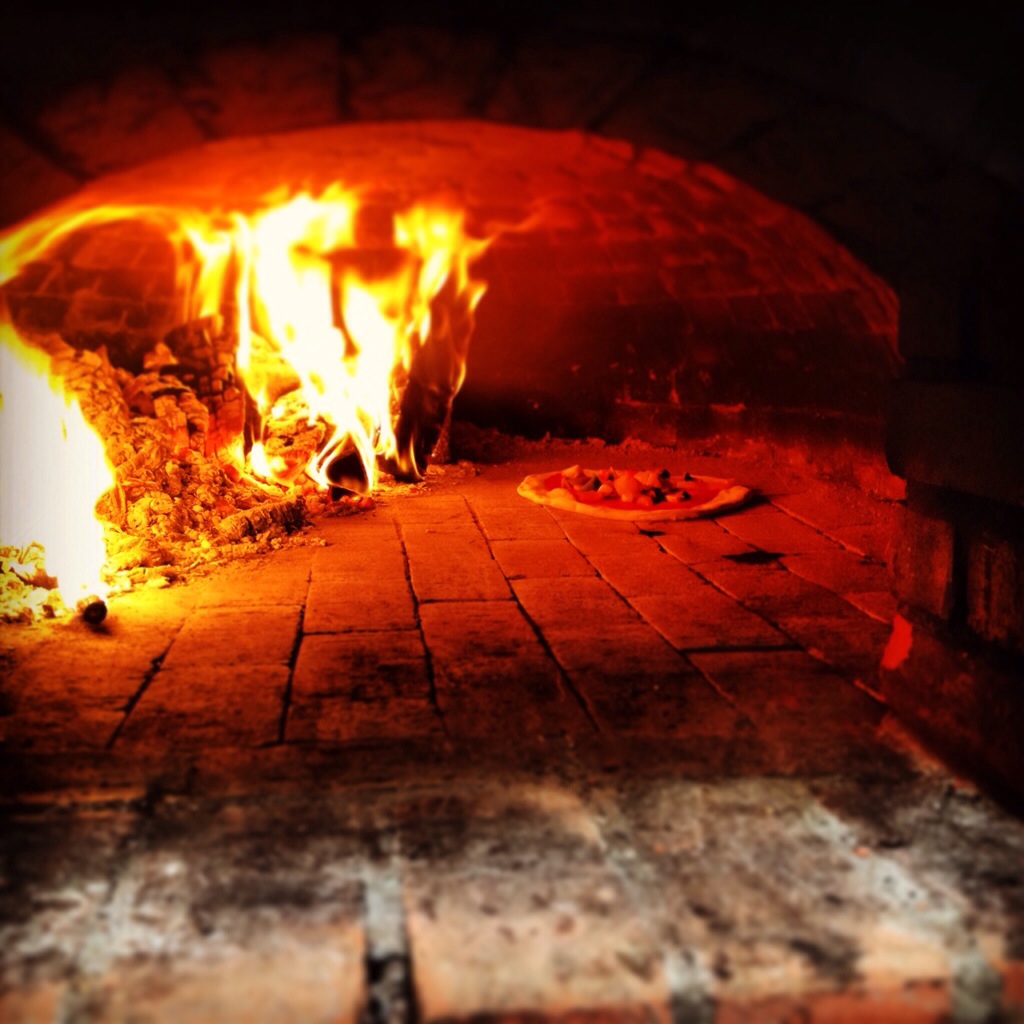
Maarten says another key element of making good pizza is to have the right oven. A stone oven is obviously essential but he was also in pizzerias which made use of gas ovens (albeit with a flame). He says the results are not the same but come close.

You obviously need to open the dough well. Here the secret is not to throw the dough into the air. This is a gimmick and not the way the Associazione teaches upcoming pizzaiolos.

He had his fair share of pizzas but he says one of the things which surprised him most was a ‘fried’ pizza calzone stuffed with ricotta and pancetta among others which was sensational. He tried this at Pizzeria Di Matteo, which is a very famous pizzeria in one of the narrow streets of Naples.

Many associate the Pizza Marinara with seafood. However, in Campania, the Pizza Marinara is the simplest pizza you can have. It is just a pizza with tomatoes and garlic and has no mozzarella.

For the time being, Maarten will perfect the art of making pizza on his days off from the restaurant. As he says, the two week course in Naples adds to his cooking experiences. Who knows, we might be able to try his pizzas in Gent sometime in future.


Winehouse Osteria – a taste of Italy in the heart of Brussels

20140712-225353-82433023.jpg
The cosy Winehouse Osteria close to Place St Gery in central Brussels

It is with a certain amount of trepidation that I recommend and then test a place with friends particularly if it is relatively new and has very little reviews. But like the best secrets in life, word of mouth is normally a sure bet even if there is always that expectation that something might go wrong.

I came across Winehouse Osteria thanks to recommendations from some friends after I wrote about Caffe al Dente in Uccle. This place just off the Place St Gery area is quite a find. Part wine shop, part coffee shop, part Osteria, the restaurant is extremely small and cosy but worth a visit.

If you are nostalgic about Italy or craving for an Italian experience, then this will not disappoint you. Forget for a while that you are in central Brussels and this osteria/enoteca could easily be in a small beautiful village somewhere in Italy.

The wine list is interesting and reasonably priced. You will find many bottles below 20 Euros which is not common in Brussels with a great selection of wines in the 20 Euros to 35 Euros range (a common price for entry level wines in most restaurants in Brussels). If you decide to just take home some wines, then the price is also listed on the wine list and considerably cheaper. Italy is well covered. Just to give you an example, I even found a wine from Liguria which is not a common sight on wine lists outside this region.

They had a number of wines from the wine list missing when we went, but their recommendations as a replacement were spot-on.

Winehouse Osteria also has a great selection of wines by the glass. The prosecco to start with was creamy and excellent. They also serve Aperol Spritz for those nostalgic about the ‘aperitivo’ in Italy.

The beauty about this place is that you can visit at any time between 7.45am and late in the evening. You can just go for a coffee in the morning, lunch or dinner in the evening or even a glass of wine at any time.

20140712-225354-82434004.jpg
The aubergine parmigiana and the zucchini parmigiana. Both perfectly done.

This is not your normal Italian restaurant. You will not find pizza or pasta dishes (except for their lasagna). But the food menu is interesting. Apart from cheese and salumi platters there is a small range of interesting dishes. When we went we tried a carpaccio of beef (excellent), a cheese and salumi platter (very good) and grilled peppers. The parmigiana of aubergine was exceptional as was the one made with zucchini. I had the involtini of chicken with guanciale and scamorza seres with a grilled scamorza and tomato sauce and peas. The polenta dish with a cheese, confit onion and lemon was also an excellent combination of flavours.

It was obvious when we were there that the people running Winehouse Osteria are passionate about what they are doing even if they seem to be working miracles form their tiny kitchen which serves this small osteria.

If there was point to criticise it was their desserts. The tiramisu was good but not exceptional and the ice-cream seemed like it was a supermarket ice-cream.

Price for central Brussels is also very reasonable. We paid around 35 Euros per person for an aperitivo, starter, main course and dessert. This is a place to visit if you like wine and want something different in central Brussels.

Verdict: Amid many tourist traps in central Brussels this is worthy of a visit, even for those like us who rarely venture to this side of town to dine. The target audience is clearly locals given most tourists may be tempted to try something more traditionally Belgian in the centre. Nevertheless, if you are craving for comfort food, want to share a glass of wine with friends over a nice cheese or salumi platter or fancy some comfort food, I am sure you will not be disappointed.

Winehouse Osteria: Rue de la Grand Ile, 42, Brussels. Open everyday from 7.45am to 11pm.


Le Fruit Defendu

Booking a restaurant for a night out in Brussels can be quite a challenge especially for the really sought-out places. First you need to make sure that the restaurant is open on the day you want to go. Believe it or not this is a non-trivial issue. On one Saturday evening a few months ago, out of a list of seven restaurants we wanted to visit, six were closed, the seventh was fully booked. Therefore planning ahead is of utmost importance.

The same thing happened last Monday evening. Our first preference was closed, our second preference was fully booked, the third option was also closed so we opted for the tried and tested Le Fruit Defendu on Rue Tenbosch in Ixelles.

We were not disappointed. This was our second visit to this cosy restaurant in the area between Lepoutre and Chatelain. The food remained consistent and so has the service. Chef Pascal Frénot retained the same formula of six starters and six main courses which practically change on a daily basis depending on what is available at the market and what tickles the chef’s fancy.

This is clearly a French classic but there are also some inventive elements to his creations.

The menu is balanced between fish and meat. On the two occasions we were there, there were three fish starters and three fish main courses and three meat starters with three meat main courses.

There are many things I like about this restaurant. First, Pascal works in an open kitchen and therefore you can observe what is happening in the kitchen. You need to be extremely confident to operate a restaurant kitchen with such transparency. Second, the service is also excellent. The menu is written on a blackboard and hence changes regularly but it was perfectly explained when you are about to place your order. The wine list is interesting with a good selection of wines at different prices though it could have been more detailed and have a bit more depth in terms of choice.

IMG_4604
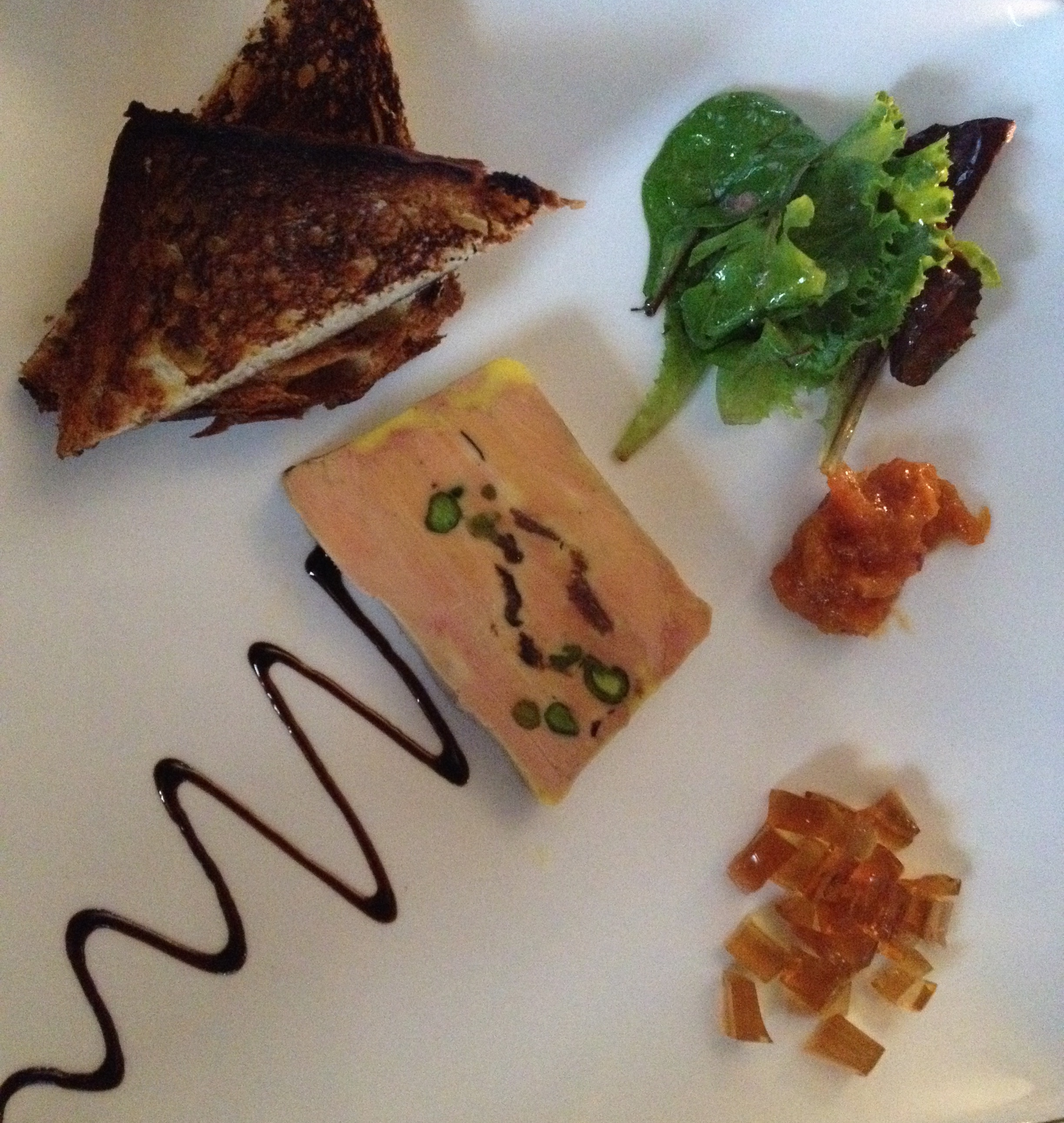
The signature dish – a Nougat of Fois Gras
IMG_4608
Tartare of herring

We tried the foie gras which we were told is Pascal’s signature dish and it turned out to be excellent. Our friends choose a tartare of herring and the last portion of lobster ravioli served with a lobster bisque. I ordered a pasta dish with octupus, prawns and calamari topped with espelette pepper which was probably the best ever pasta dish I have eaten at a non-Italian restaurant.

IMG_4611
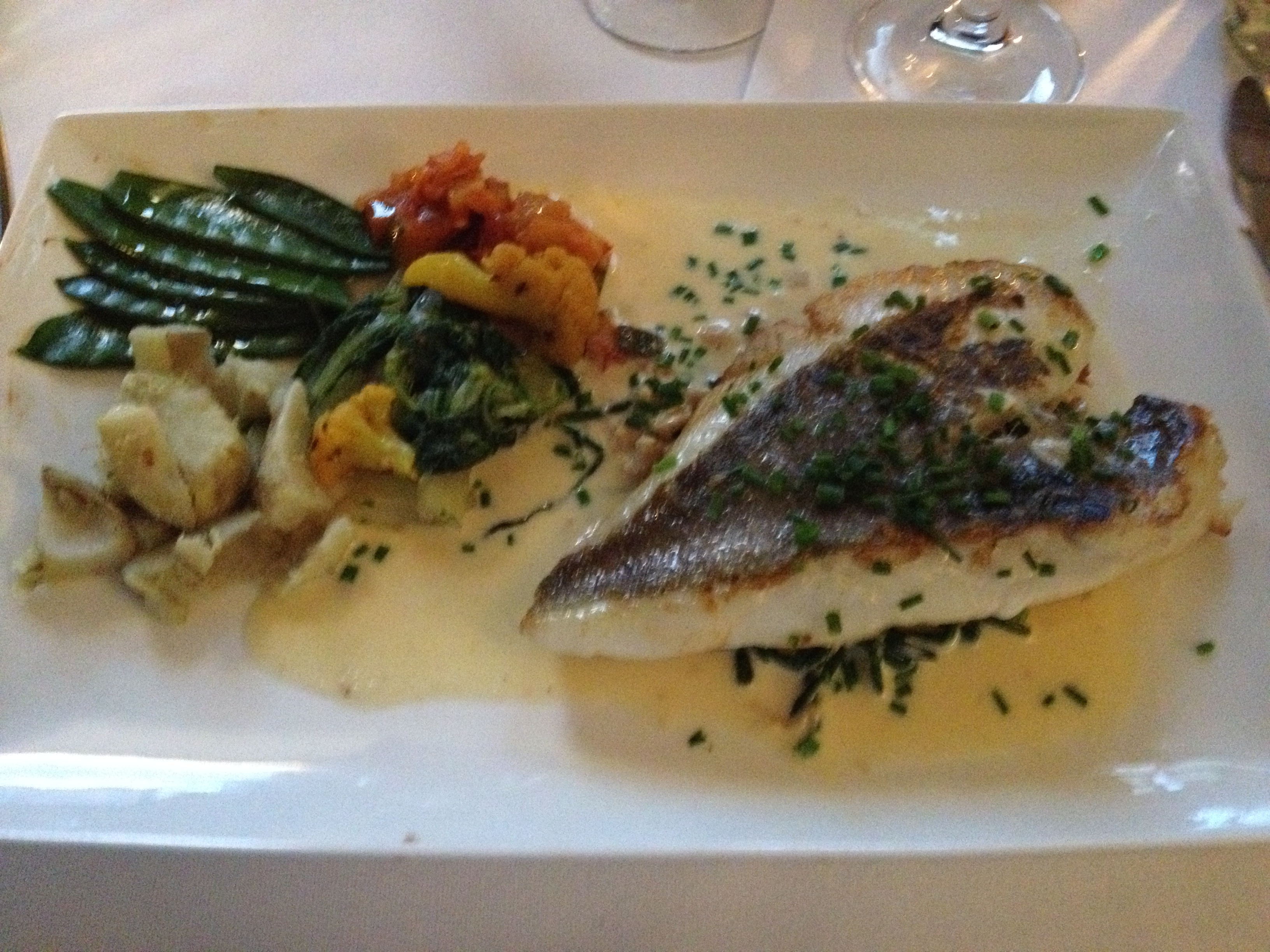
The John Dory – not too fond of creamy sauces with fish but this worked very well
IMG_4612
The herb crusted cod

For the main course two of us choose a John Dory served with a beurre blanc with crevettes. We also opted for a sea bass served with a herb sauce and cherry tomatoes and cod crusted with herbs.

IMG_4619
The excellent and nicely presented blueberry tart

the choice was interesting. We chose for four different desserts, all not only looked great but were also extremely good. We had a creme brulee with peaches, a tiramisu with strawberries, a blueberry tart and an iced coffee cream.

Verdict: The atmosphere is cosy and warm, the food is excellent, the service great. This place is well worth a visit. In this area I would put it on a par with En Face de Parachute and La Canne en Ville both of which we find excellent. Expect to pay around Eur 60 to Eur 70 per person. It is dimly lit, which makes for a great atmosphere but alas the photos are slightly blurred so apologies.

Le fruit défendu: Tenbosstraat 108Ixelles, Brussels. Closed on Saturday and Sunday.


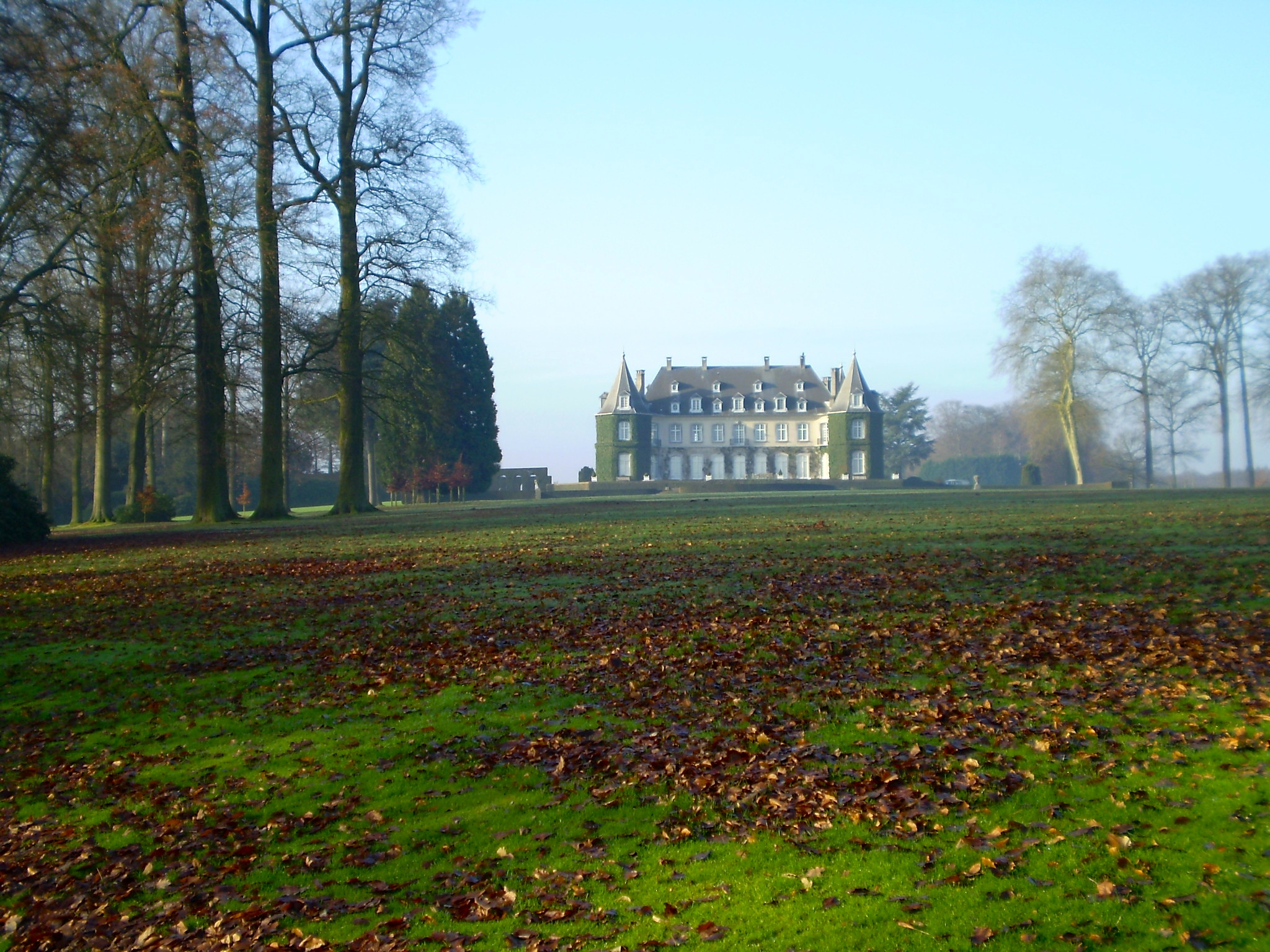
Chateau de la Hulpe – a place for all seasons

OLYMPUS DIGITAL CAMERALiving in a city means that sometimes you feel the urge to get out and experience nature. It must have something to do with the fact that after 30 years living in Malta, even after nearly nine years in the Belgian capital, we still feel the urge to explore what Belgium and its neighbouring countries have to offer.

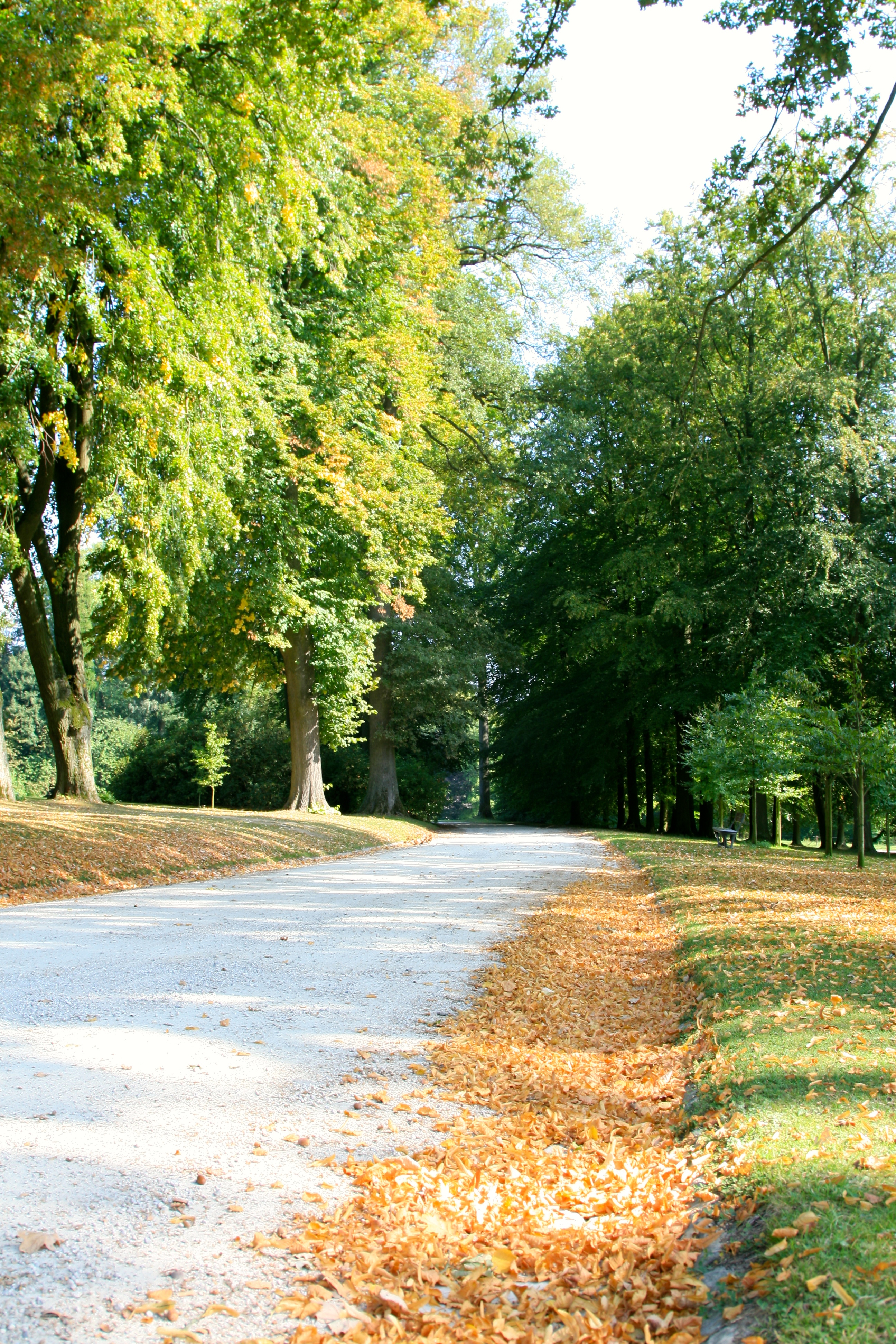
But when we run out of ideas or are too lazy to think, there is a place we turn to time and time again. Whether its winter, spring, summer or autumn, Chateau de la Hulpe and its surrounding land is a fantastic place to relax and enjoy peace and quiet.

The Domaine Solvay de la Hulpe extends across 227 hectares of greenery, woodland and ponds. It is a perfect place to go for a walk, to cycle, to take children for a picnic or to lose yourself in the serenity of this Natura 2000 side which is also considered as an important heritage site in Wallonia.

IMG_4841The Chateau is imposing but the lands are also impressive with every kind of vegetation and natural environment that can be found in this region.

You are likely to be impressed any season you go. One tip, if you want to avoid the crowds then go either during the week or else in the morning. Most people end up going there in the afternoons even though it still remains extremely pleasant.

Apart from the walks and nature, the grounds also house over five hundred works of famous Belgian artist Jean-Michel Folon. Just follow the signs to Folon Foundation and you will find the splendid collection in the farm of the castle of La Hulpe. There are more than forty years of his creations.

This is really an inspiring museum which I highly recommend visiting. Note it is closed on Mondays like most museums in Belgium.

Just outside the museum is a bistro with the most amazing views of uninterrupted countryside. However, don’t expect to eat well here. The choice on the menu is very limited. But if you head there after lunch and are lucky to have gone on a nice day, then you can sit on the terrace and have a superb view while enjoying a Belgian beer or coffee.

If you want to eat somewhere close then follow this link to my blog post on Lac to Genval.