What I enjoyed reading this week (3)

MINOLTA DIGITAL CAMERA
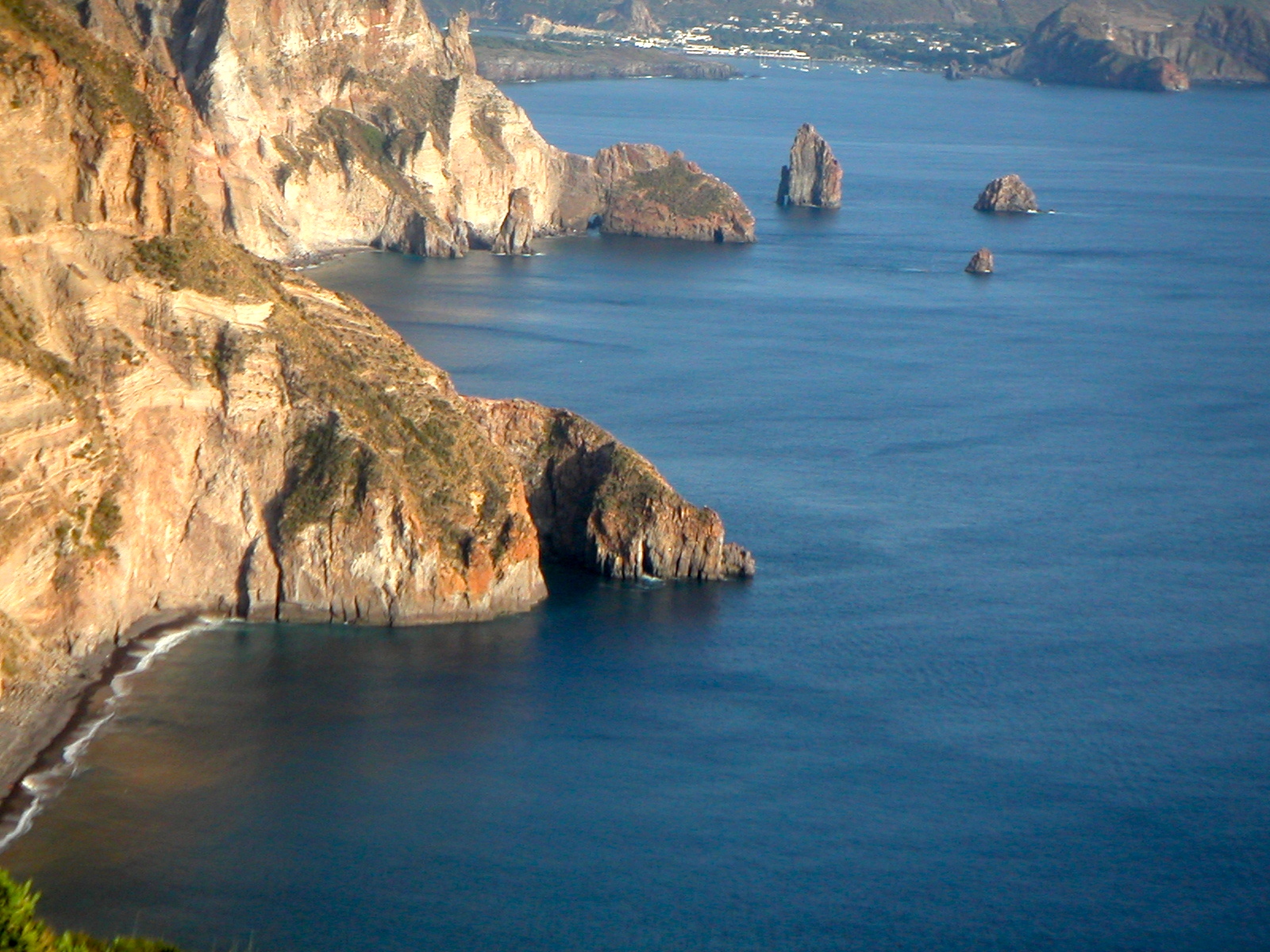
Nostalgic about Sicilian islands. A view from Lipari.

There is a renaissance of Italian cuisine and restaurants in Brussels. Two of my first reviews were about Caffe al Dente and Winehouse Osteria which are setting the bar. This has also made it to the Belgian press. The first read for this week (in French) is an article in Le Soir about the Italian food revival in Belgium. It mentions quite a number of interesting spots some already known and others still waiting to be discovered.

One of the articles I enjoyed most this week, also for nostalgic reasons, since it has been a long time since I have been to Sicily is this list of 13 islands of Sicily for foodies. Above is a view from Lipari.

You will also find a photo essay of some abandoned places which look really stunning.

Here you will find a very nice story of two English men who took an Ape and travelled Italy before ending in London where they have opened a pizzeria as well as one on wheels. It’s called Pizza Pilgrims.

The Roca Brothers of El Cellar de Can Roca are travelling to America at the end of July. They are closing their restaurant for five weeks and will embark on a tour of six cities in America starting from Houston and ending in Lima, Peru.

Everyone seems to like lists nowadays. Here is one on the top 10 bakeries to see before you die. The food revival also owes something to television.

An article here shows how we are influenced by cookery programmes on TV.

It has been a particularly bad spring for Burgundy. Another hail storm has caused havoc.

What is happening to French restaurants?

IMG_0436
Is it possible that three out of four restaurants in France are serving food prepared elsewhere?

There is no question, at least at the high end of the restaurant scene that the French are still at the top of the culinary world although the competition has become incredibly fierce with countries like Spain, Italy, the UK (yes you read that correctly) and Japan challenging for the top position.

But amid that reputation is a creepy feeling that not all is rosy. While the top chefs can command huge international respect for their creations, you need to sit and wonder at what is happening in the more traditional ‘bistros’ and ‘brasseries’. That feeling is more pertinent when you learn that France is introducing a law that will force restaurants to mark their food as ‘fait maison’ or home made to save their culinary reputation.

When this happens you realise that things are not always as they seem. As you can see from this article in The Guardian, many mid-range restaurants are using industrial companies as a way to cut costs and serve customers food that has been prepared elsewhere. We are not speaking here of canteens or fast food places but restaurants around France. The report says It is difficult to estimate what percentage are doing so but it could vary from 30% to three quarters of restaurants.

If you think about it this is incredible though it might be noticeable to the discerning eye particularly since ‘the classic dishes’ seem to be replicated in many places with similar results irrespective of the region of France you are in.

IMG_1404
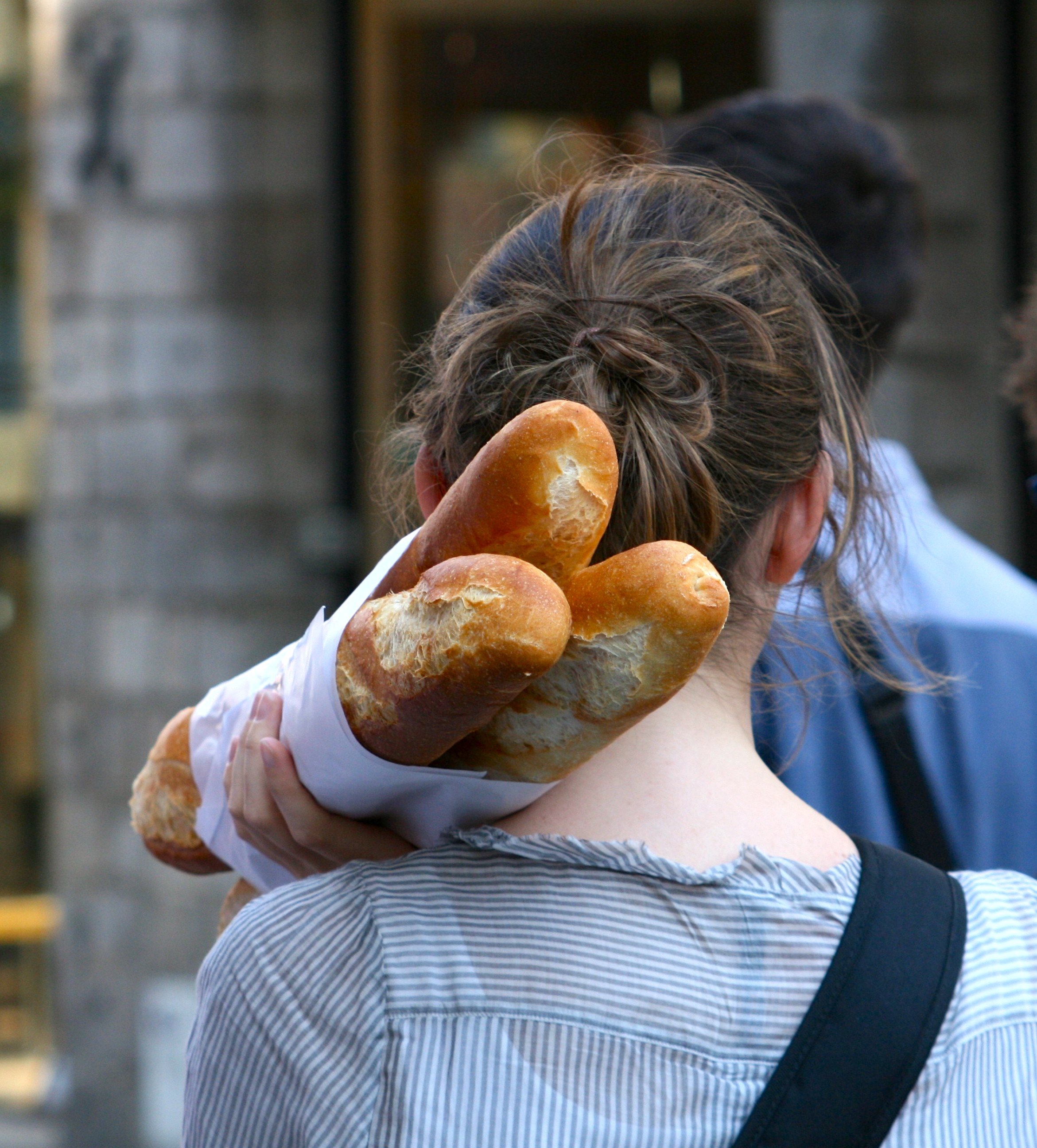
Is it best to stick to baguettes?

I could realise something was going wrong with French cooking on a combined trip to Tuscany in Italy and Provence in France a few years ago. The reputation of these two regions is very high. But on balance, it was clear that there was no contest between the overall quality of food in Tuscan restaurants when compared to those in Provence. Don’t get me wrong, we still ate very well in Provence in certain restaurants but at the lower end, i.e. in the osterias and trattorias in the Chianti area of Tuscany there was very little chance of going wrong. Stop at any restaurant, sometimes, even a bar in a 500 people village and the chances of going wrong were close to zero. There was no need for guides or advice from locals. The reason is that at its core Italian food is simpler to French cooking because the focus is always on the quality of the ingredients and not the sauces or the complexity of the preparation required.

We also ate very well in the beautiful villages of Provence, the search for a good place was more painstaking and required considerably more research. We noticed, quite easily that the chances of going wrong were higher and to eat well you needed to spend considerably more than in Tuscany.

The question people are asking is whether this law will work. It is difficult to assess particularly in view of the fact that ‘fait maison’ might not necessarily always be better. But clearly, it should inspire people to vote with their feet. Let’s hope it works for the sake of the French culinary reputation.

The real Neapolitan pizza

20140716-232117-84077729.jpgPizza is taken very seriously in Campania and especially in Naples and its surrounding areas. The reasons are rather obvious. The area is known for its San Marzano tomatoes which are renowned for their exceptional quality particularly for making tomato sauce and for the Mozzarella di Bufala made from milk from water buffalo raised in the marshlands of Campania.

No one really knows where pizza originated from  but the ‘Napolitani’ claim to be those that have invented the pizza we are so accustomed to eating nowadays in many pizzerias worldwide.

20140716-232118-84078259.jpgMaarten Van Steen of Villa Bardon in Gent which serves Mediterranean cuisine has just come back from a two week course organised by the Associazione Vera Pizza Napolitana to learn the secrets to making a good pizza. This afternoon we tasted the results of this two week course and the result was extremely successful.

Here he shares the secrets of what he has learned in the two weeks he stayed in the world’s pizza capital.

It might sound obvious but there are a few secrets to making good pizza. The first is the dough. This is made with water, flour (in Italy the use the 00 type) salt and yeast. You need to let it rest for around two hours, following which you shape it into balls which are left to ferment even overnight in a cool environment. This adds to the complexity of flavour.

The other secret is the ingredients on top of the pizza. In Campania they use crushed San Marzano tomatoes to make tomato sauce as the base for the pizza. The mozzarella is the other key ingredient. Here, unfortunately, it is not easy to replicate given that it is extremely difficult if not impossible to find a good mozzarella that has been produced on that same day. In the South of Italy, mozzarella is taken very seriously and many will make sure that they use one which had been just prepared on the day. Maarten says the best mozzarella he has ever tasted came from a visit to the farm where it had just been produced. I can vouch for such mozzarella from our visit to Campania a few years ago.

The real pizza Napolitana uses just tomatoes, mozzarella, basil and a drizzle of good extra virgin olive oil. When the ingredients are good, simplicity is key.

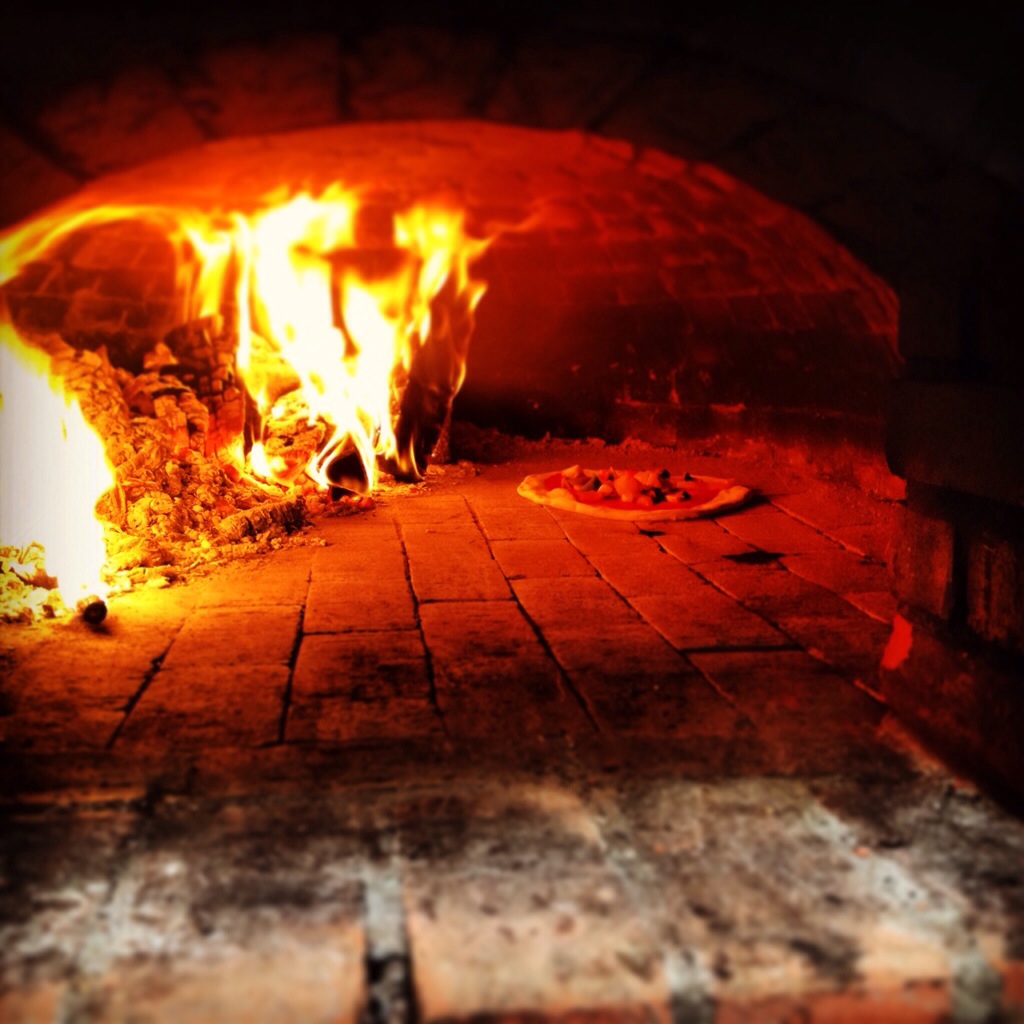
Maarten says another key element of making good pizza is to have the right oven. A stone oven is obviously essential but he was also in pizzerias which made use of gas ovens (albeit with a flame). He says the results are not the same but come close.

You obviously need to open the dough well. Here the secret is not to throw the dough into the air. This is a gimmick and not the way the Associazione teaches upcoming pizzaiolos.

He had his fair share of pizzas but he says one of the things which surprised him most was a ‘fried’ pizza calzone stuffed with ricotta and pancetta among others which was sensational. He tried this at Pizzeria Di Matteo, which is a very famous pizzeria in one of the narrow streets of Naples.

Many associate the Pizza Marinara with seafood. However, in Campania, the Pizza Marinara is the simplest pizza you can have. It is just a pizza with tomatoes and garlic and has no mozzarella.

For the time being, Maarten will perfect the art of making pizza on his days off from the restaurant. As he says, the two week course in Naples adds to his cooking experiences. Who knows, we might be able to try his pizzas in Gent sometime in future.


Does anyone really care about tourist traps?

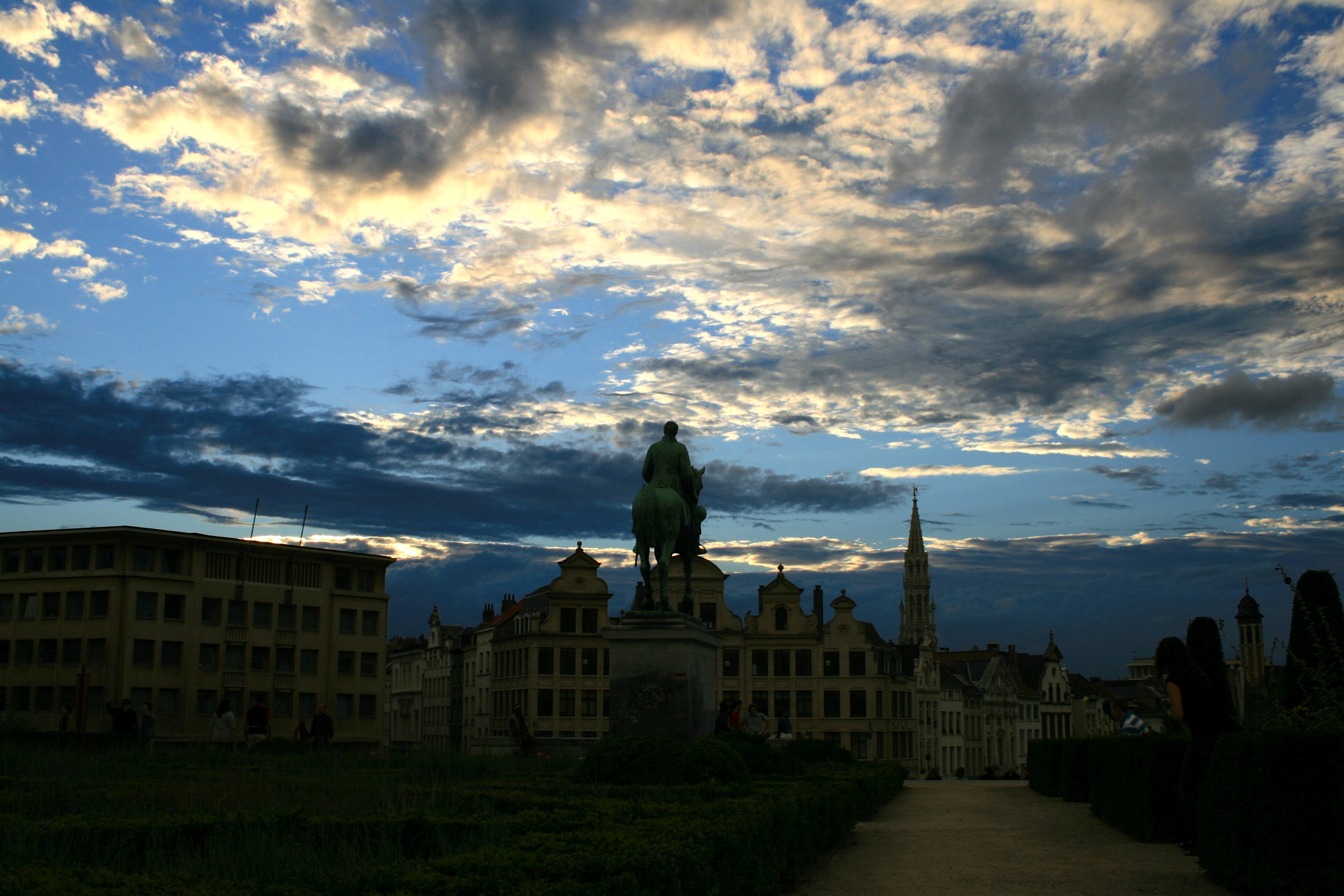
IMG_6042One of the most famous streets in Brussels among tourists or people on business trips is the Rue de Bouchers. It can be found just a few metres away from the Grand Place.

Walking from the street at the Grand Place area last week on the evening when Belgium was playing against South Korea and locals were obviously nowhere near any restaurant without a television set, I could not help but wonder what makes people visit such restaurants around the world.

What are they looking for? Why would locals consider such places a tourist trap but so many have no qualms in sitting down and eating there. What is so attractive about waiters greeting you in all languages as they try to guess your nationality to try and get you in?

In the case of Brussels, are the mussels and fries served in such places so different in quality to restaurants which cater mainly for locals? Do the tourists who sit down to eat in such places care about the difference? Are they more interested in the experience of eating al fresco as the day gets longer as long as they sit and enjoy a glass of beer or wine? Is the location more important than quality?

What triggers such behaviour? Is it the wisdom of the crowds?

This is a common phenomenon not only in the city I know best. Tourist traps can be found pretty much in every city. The more tourists a city attracts the more you are likely to find such places. Take cities like Paris and London. They are among the top most culinary destinations but get it wrong and you are likely to end up being extremely disappointed.

Have you ever noticed how many times bars, restaurants and cafes in the best locations or with great views have the lousiest service? Is there a correlation between location and quality? Do places which cannot attract customers on the basis of location go the extra mile to please their customers for this reason? Are they more passionate about the food they serve, the provenance of their produce?

But for the many who frequent such places, does it really matter?


Liguria (2) Camogli – one of the most charming fishing villages

IMG_4626
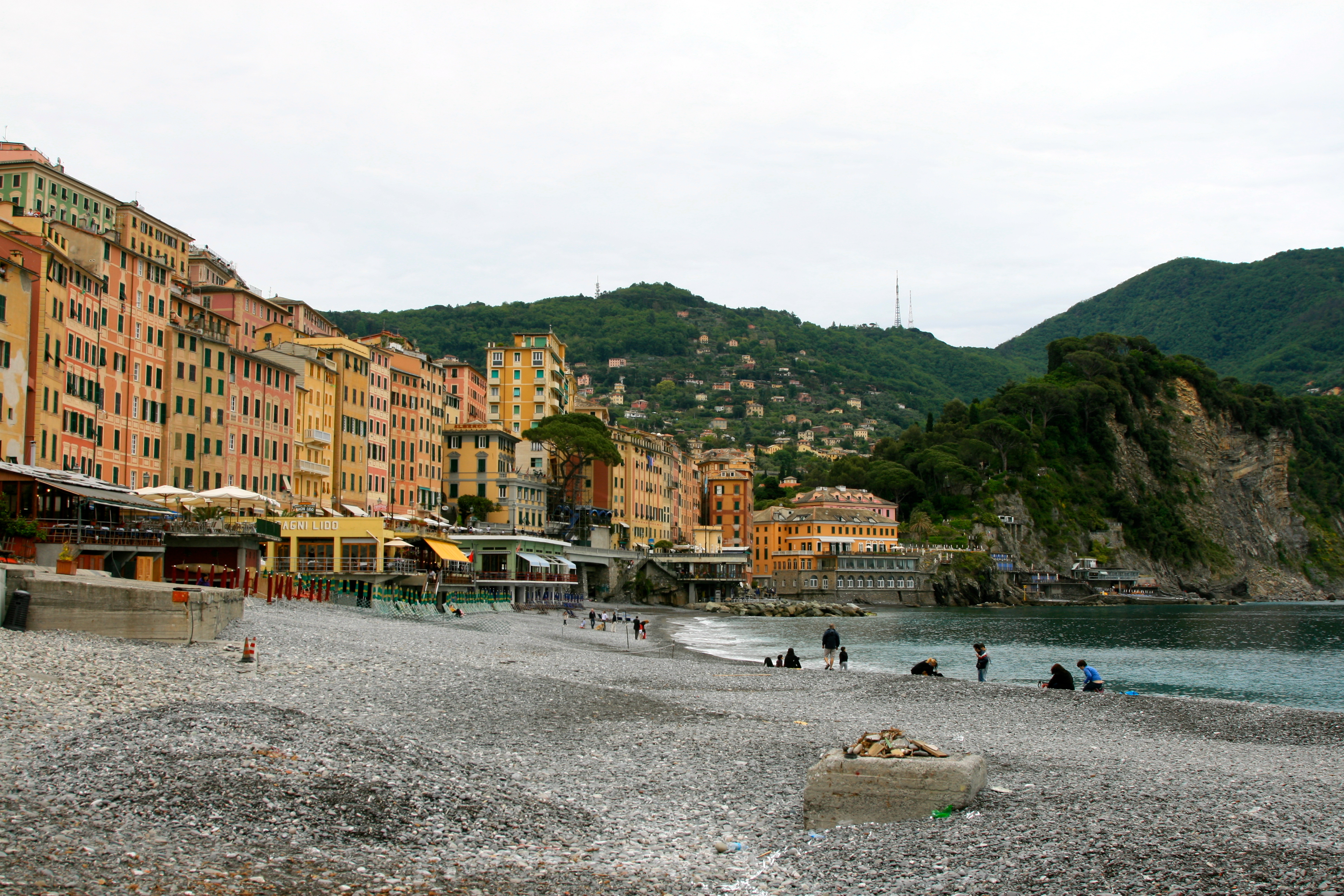
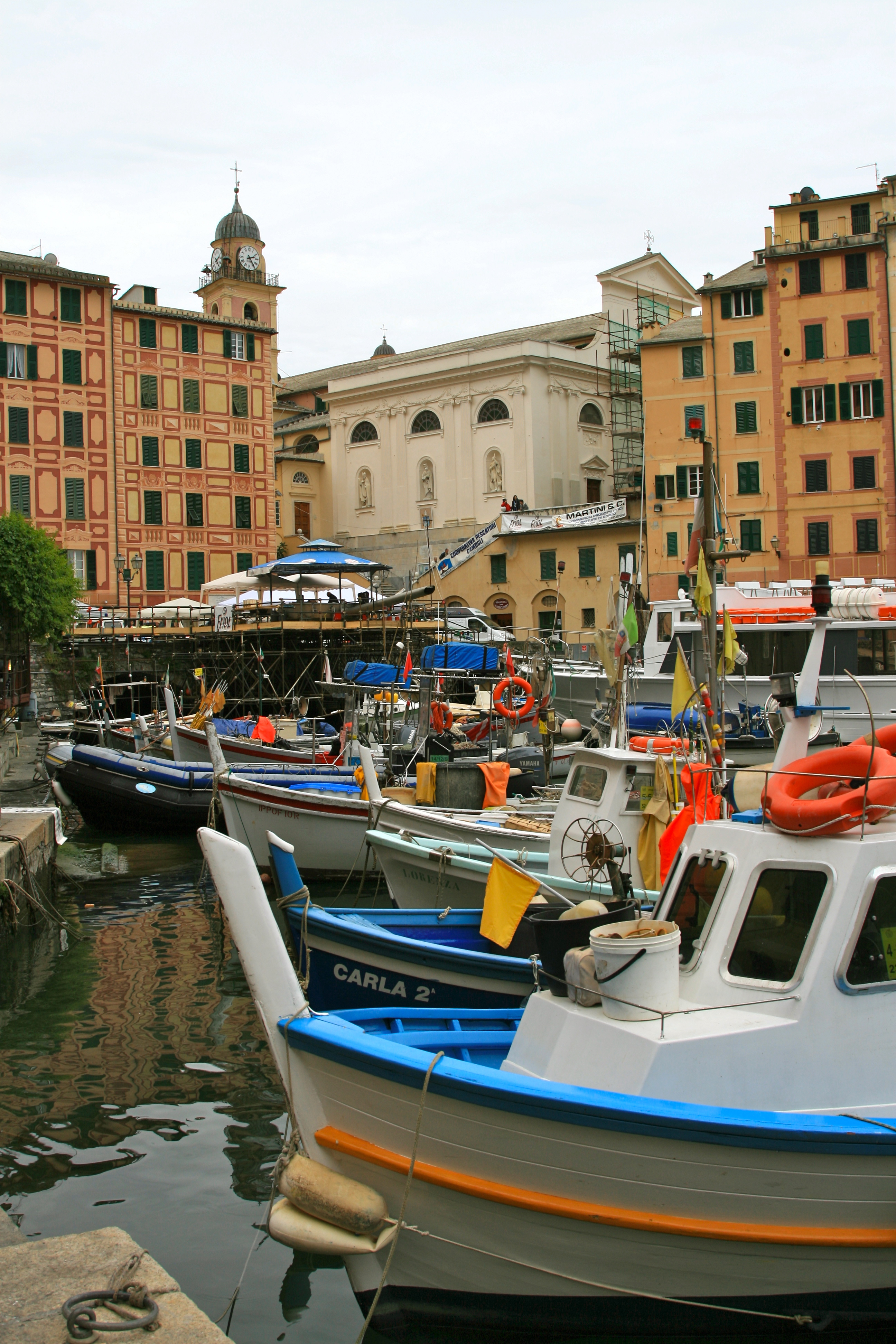
The view of Camogli – a charming fishing village

The first time we visited Camogli, we missed this fishing village, it is so hidden. The GPS in my car, normally reliable, took us to a hill whereby we could observe a superb view of Camogli and the Ligurian coast but couldn’t spot the way to get there.

After some time driving around we finally discovered that we needed to take a narrow street down towards the village centre. What we then discovered was amazing. Parking may be difficult depending on the time of year you visit but don’t be discouraged. It is really worth your time.

Camogli (Camuggi in Genoese dialect) is a small Italian fishing village and tourist resort located on the west side of the peninsula of Portofino, on the Golfo Paradiso at the Riviera di Levante, south from Genova. The name means “house of wives” ( casa delle Mogli ).

We visited Camogli twice in May and another time in June. Both times the weather was great so people were eating out in the terraces with a splendid view either of the coastline or the tiny but colourful fishing village which bustles with activity. It is said that the fishermen of the village painted the houses in this manner to ensure that they could spot it when they were returning back to the port after their fishing trips. This makes for a great vista as you can see from the photos.

IMG_4649The maritime museum is also worth visiting though not easy to find. For a Maltese, this museum is special because it has paintings of a well known marine artist Nicola Cammillieri, active during the first half of the 19th century who painted beautiful ship portraits both entering the Maltese Grand Harbour as well as in other Mediterranean ports. There are a number of Camilleri’s paintings in the museum, many donated by families from Camogli and most of these are in excellent condition.

Where to eat: Just like in most places in Liguria you will find many Focacceria’s in Camogli. We tried Vento Ariel which overlooks the harbour. The food here was excellent. The menu changes according to the season so you are bound to experience different dishes whenever you go. The children devoured the Ligurian pasta (trofie) with freshly made pesto and I still remember a pate made with cuttlefish and anchovies which are a speciality of the region and the restaurant. The pasta with seafood and fresh fish were also extremely good as was the wine we drank from Azienda Agricola Pino Gino.

Semmu Friti, on the way down to the fishing village is a small takeaway serving, as the name suggests, typical Ligurian deep fried dishes. Here you will find delicious frittelle di baccala, stuffed anchovies and even the traditional ‘farinata’ made with chickpea flour. The deep-fried calamari is also exceptional.

Xodo is another good restaurant and bar serving typical dishes. This is an inexpensive restaurant which is normally packed. On a nice day, you eat outside overlooking the beach. The deep-fried anchovies as starter were excellent as was the fresh seafood black ravioli (using squid ink),

What to do: Just stroll around the seafront, visit the touristic boutique shops and sit and enjoy the sun. Visit the Maritime Museum. Walk on the pebbled beach or take a boat ride to neighbouring Portofino or San Fruttuoso, the latter only reachable by sea. In a recent article in the FT food and drink section Ruth Rogers of the River Cafe mentioned da Laura, on the beach of San Fruttuoso as one of her favourite restaurants in the world. Clearly something to remember for my next visit to Liguria.


IMG_4623
The colourful fishing port
IMG_4620
The view from the hill overlooking Camogli

IMG_4655 IMG_4644

Belgium day trips 2: Gaasbeek and the Waterhof farm shop

IMG_1262
The Waterhof farm

Amid the gently rolling hills of the Pajottenland just outside Brussels lies the beautiful village of Gaasbeek. This is one of our favourite spots just outside the Belgian capital and for a number of reasons.

The first reason is a splendid medieval castle, the Gaasbeek castle which has evolved from a strategic stronghold into a spacious country house. One of its most famous owners was the Count of Egmond.

While on the other side of Brussels you will find the Chateau de la Hulpe, Gaasbeek, to the West of Brussels makes for a great alternative. The castle lies within an extensive park which was already laid out in the 17th century. It has impressive avenues and narrow winding paths as well as beautiful beech trees. From the park you can see the beautiful countryside with numerous cows grazing in the fields. It is indeed impressive to think that this is just a few kilometres outside the city.

You can visit the castle and the museum garden. Moreover, the lands also house the Graaf van Egmond brasserie. Just opposite the castle you can find a brasserie with a great outdoor playground for children which includes a bouncy castle. This is a great place for children to play.

IMG_9163But the hidden secret of Gaasbeek and probably the best reason to return from time to time is a farm shop just outside the village. The farm is called Waterhof and it is one of those places which are so charming that you wish to discover more of them in the surrounding countryside.

Firstly the farm makes its own milk thanks to its more than 60 cows. Given that the artisanal method of producing their products is time consuming, the Waterhof farm have invested in a robot which milks the cows automatically and you can also see this in action when the farm or shop is open. The farm, which is more than 500 years old (with the oldest standing building  dating from 1813) makes superb ice-creams using their own produce. You can also buy butter, cheese, yogurt (excellent), puddings, chocolate mousse and butter milk (lait battu). You can also buy pastries, juices as well as a wide range of potatoes and seasonal fruits and vegetables.

IMG_9170
One of their speciality ice-creams served at the farm, the tiramisu

The highlight is a courtyard where you can try the superb range of ice-creams served. When its cold, there is also space inside. This is really a superb place to take children. Not only do you treat them to excellent ice-cream but they can visit the barns where the cows go to rest after grazing the fields in the hills around the farm. There is also a small barn with calves open for visitors.

Verdict: This place is so good I hesitated before writing about it lest this becomes too commercial.  If you are going on a hot day, make sure to take a cooler bag to transport the ice-cream and other produce. You will not be able to resist the temptation of buying a few litres for home. Drop me a line if you try it and if you know of other similar places in Belgium.