Recipe 2 – Charred Aubergine Salad

20140720-231424-83664975.jpgBarbecues should not be boring. There is nothing like sausages or burgers on the barbecue but grilling outdoors can also be sophisticated. It all depends on your level of ambition.

Before grilling meat or fish, I always like to prepare vegetables on the barbecue. Chargrilling peppers, onions, courgettes, aubergine, leeks, potato you name it. With the right condiments (herbs, olive oil and balsamic vinegar they are second to none) they can make for an excellent antipasto or perfect accompaniment to meat or fish.

Among foodies or those who regularly view the BBC, Raymond Blanc needs no introduction. He is a French chef who settled in the UK many years ago. He is the chef of a Michelin starred restaurant Le Manoir aux Quat’Saisons. He is passionate about cooking and his charisma whenever he is presenting a television programme is always visible.

This winter, BBC had a superb series by Raymond Blanc on How to Cook and one of the programmes was about grilling. The following, which I have tried twice to great acclaim is an adaptation of his recipe. It is easy but impressive. The flavours are strong but harmonious. This is an exceptional vegetarian starter. I love my meat, I love my fish but if all vegetarian dishes were like this I could be eating many more vegetarian dishes.

Whenever I have tried recipes from Raymond Blanc or else adapted his ideas I have never been disappointed. So I really recommend you try the following dish.

Ingredients (serves 4)

  • 3 Aubergines
  • 1 Garlic Clove
  • Juice of half a lemon (or to taste)
  • 1 fresh chilli
  • 6 dates
  • 1 tin of good quality chickpeas
  • Ricotta salata (if you do not have this, you can also use fresh ricotta)
  • Toasted Almond flakes
  • Fresh coriander
  • Mint
  • Extra virgin olive oil
  • Balsamic vinegar

Method

1. Once the barbecue is hot, place the aubergines on and ensure that the skin is ‘burnt’. Turn frequently. Once you see that the aubergines have softened, remove from the barbecue and wait for them to cool down slightly. The aubergine will have a very smoky flavour because of the charred skin.

2. Half the aubergine and scoop out the flesh. Place into a bowl, season with salt and pepper and stir in some extra virgin olive oil. Add the garlic and half the chili with the lemon juice and stir. Then add the chopped dates, a handful of chickpeas, chopped mint and coriander to taste (a handful of each should suffice). You can now put the mixture into the refrigerator until you plate the dish.

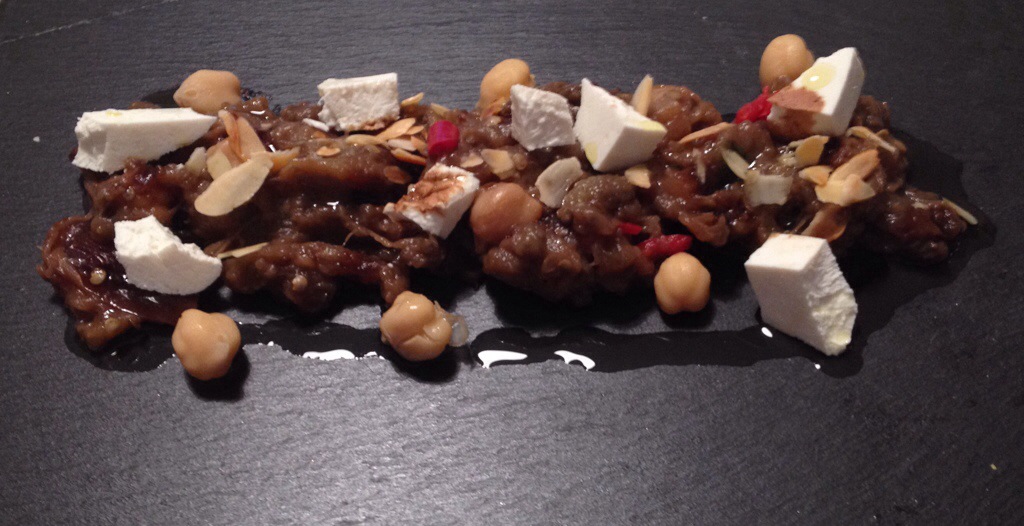
3. Spoon the mixture into the plates, add some chickpeas to garnish on the side of the mixture, then top with some toasted almond flakes to add texture, a handful of the remaining chopped chili  and then crumble the ricotta salata. Drizzle the best quality olive oil you can find and then add a few drops of balsamic vinegar.

Raymond Blanc had suggested using feta cheese in his recipe but I have tried it both with ricotta salata and with fresh ricotta and it works extremely well. Enjoy.




Recipe 1 – A taste of the sea

20140720-172158-62518499.jpgThe weather has been extremely hot in Belgium over the past three days. On Friday evening, the temperature hovered around 30C and therefore I felt a great urge to eat some seafood as a reminder of summer holidays.

To me, shellfish and fish are always a reminder of summer and holidays. If there is one dish which I crave for but which alas is so difficult to find away from the Mediterranean is a pasta with sea urchins which is pure heaven when sea urchins is available. It is normally the first thing I try to eat whenever I go back home to Malta. It is also something I look out for when I am in the South of Italy or Sicily.

I headed to the fish shop close to our home to see what inspired me. Many times this is how I get inspiration for cooking. Nothing beats the joy of having no plan for lunch or supper and improvising on the basis of what you find on the market.

I found the famous Moules de Bouchot (small mussels from France which are incredibly tasty) and therefore mussels it would be for dinner, together with a mix of shellfish including calamari and scallops.

Few things reminds me of the sea and the taste of the sea more than fresh mussels. And while Belgium, France and the Netherlands are renowned for their mussels, they are cooked slightly differently in the Mediterranean. The main difference is that extra virgin olive oil is used instead of butter and no celery is used.

Belgium is known for many things. Its beer, chocolates, french fries and also mussels. There are many restaurants specialising in mussels and the methods of cooking them vary considerably. I prefer mine the Mediterranean way. In this case the simpler the recipe the better the result.

Many tell me that they find cooking shellfish or fish intimidating. I tend to disagree. I started cooking in my 20s and it was with fish and shellfish that I actually started. Once you get past the basics (which basically means finding a fishmonger you trust and asking how to cook things which you would not normally consider), you can be sure to go ahead for more complicated fare.

So the first recipe I share on this blog is a simple one. The only complicated thing is to clean the mussels which trust me is part of the fun.

Ingredients

(Serves two as a starter or else four as part of an antipasto)

  • 1 Kilo of Mussels,
  • 3 cloves of garlic finely chopped.
  • Extra virgin olive oil
  • White wine
  • Freshly ground black pepper

Method

1. Clean the mussels. On many occasions, the mussels can be bought already cleaned compared to the past where you would need to remove not only the beard but sometimes also dirt which stuck to the shells. To remove the ‘beard’ is easy. Pull towards you with a knife and force the beard out. Once you clean the mussels, place them in a bowl of clean water. Go through each one and discard any which are open or which float in the water. You can keep them in the fridge until you cook them (the day you buy them).

2. Crush the garlic and chop roughly, then sweat in the extra virgin olive oil (around three tablespoons). Then add a splash of wine (a cup of wine should be enough) and bring to boil.

3. Once the mixture is boiling add the mussels and parsley and put a lid on the saucepan. Give the pan a shake from time to time but try not to open the lid too often. The mussels should be ready within minutes when you see that they are all open.

4. Mussels are salty so you do not need to add any salt but they are extremely good with freshly ground black pepper. Serve immediately ideally with fresh bread to dip into the ‘soup’ at the bottom of the pan.

Wine suggestion: It is the common norm to drink white wine with shellfish or fish. In this case, nothing goes better than a white wine. I had this with a Vermentino from Sardegna which worked extremely well. You could also try it with a Sicilian fruity white such as a blend of Insolia and Chardonnay or a French Muscadet.


What I enjoyed reading this week (3)

MINOLTA DIGITAL CAMERA
Nostalgic about Sicilian islands. A view from Lipari.

There is a renaissance of Italian cuisine and restaurants in Brussels. Two of my first reviews were about Caffe al Dente and Winehouse Osteria which are setting the bar. This has also made it to the Belgian press. The first read for this week (in French) is an article in Le Soir about the Italian food revival in Belgium. It mentions quite a number of interesting spots some already known and others still waiting to be discovered.

One of the articles I enjoyed most this week, also for nostalgic reasons, since it has been a long time since I have been to Sicily is this list of 13 islands of Sicily for foodies. Above is a view from Lipari.

You will also find a photo essay of some abandoned places which look really stunning.

Here you will find a very nice story of two English men who took an Ape and travelled Italy before ending in London where they have opened a pizzeria as well as one on wheels. It’s called Pizza Pilgrims.

The Roca Brothers of El Cellar de Can Roca are travelling to America at the end of July. They are closing their restaurant for five weeks and will embark on a tour of six cities in America starting from Houston and ending in Lima, Peru.

Everyone seems to like lists nowadays. Here is one on the top 10 bakeries to see before you die. The food revival also owes something to television.

An article here shows how we are influenced by cookery programmes on TV.

It has been a particularly bad spring for Burgundy. Another hail storm has caused havoc.

What is happening to French restaurants?

IMG_0436
Is it possible that three out of four restaurants in France are serving food prepared elsewhere?

There is no question, at least at the high end of the restaurant scene that the French are still at the top of the culinary world although the competition has become incredibly fierce with countries like Spain, Italy, the UK (yes you read that correctly) and Japan challenging for the top position.

But amid that reputation is a creepy feeling that not all is rosy. While the top chefs can command huge international respect for their creations, you need to sit and wonder at what is happening in the more traditional ‘bistros’ and ‘brasseries’. That feeling is more pertinent when you learn that France is introducing a law that will force restaurants to mark their food as ‘fait maison’ or home made to save their culinary reputation.

When this happens you realise that things are not always as they seem. As you can see from this article in The Guardian, many mid-range restaurants are using industrial companies as a way to cut costs and serve customers food that has been prepared elsewhere. We are not speaking here of canteens or fast food places but restaurants around France. The report says It is difficult to estimate what percentage are doing so but it could vary from 30% to three quarters of restaurants.

If you think about it this is incredible though it might be noticeable to the discerning eye particularly since ‘the classic dishes’ seem to be replicated in many places with similar results irrespective of the region of France you are in.

IMG_1404
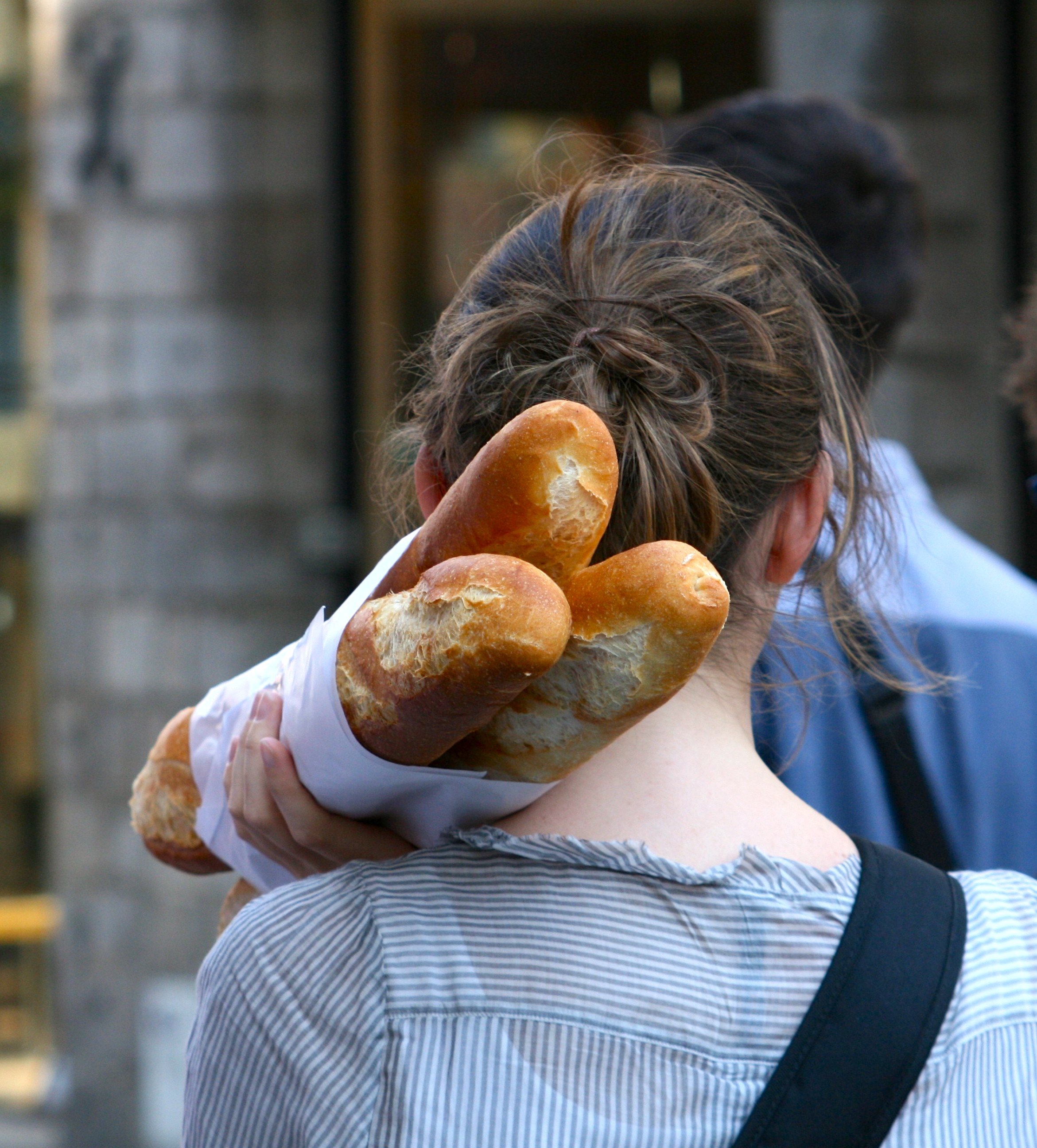
Is it best to stick to baguettes?

I could realise something was going wrong with French cooking on a combined trip to Tuscany in Italy and Provence in France a few years ago. The reputation of these two regions is very high. But on balance, it was clear that there was no contest between the overall quality of food in Tuscan restaurants when compared to those in Provence. Don’t get me wrong, we still ate very well in Provence in certain restaurants but at the lower end, i.e. in the osterias and trattorias in the Chianti area of Tuscany there was very little chance of going wrong. Stop at any restaurant, sometimes, even a bar in a 500 people village and the chances of going wrong were close to zero. There was no need for guides or advice from locals. The reason is that at its core Italian food is simpler to French cooking because the focus is always on the quality of the ingredients and not the sauces or the complexity of the preparation required.

We also ate very well in the beautiful villages of Provence, the search for a good place was more painstaking and required considerably more research. We noticed, quite easily that the chances of going wrong were higher and to eat well you needed to spend considerably more than in Tuscany.

The question people are asking is whether this law will work. It is difficult to assess particularly in view of the fact that ‘fait maison’ might not necessarily always be better. But clearly, it should inspire people to vote with their feet. Let’s hope it works for the sake of the French culinary reputation.

The real Neapolitan pizza

20140716-232117-84077729.jpgPizza is taken very seriously in Campania and especially in Naples and its surrounding areas. The reasons are rather obvious. The area is known for its San Marzano tomatoes which are renowned for their exceptional quality particularly for making tomato sauce and for the Mozzarella di Bufala made from milk from water buffalo raised in the marshlands of Campania.

No one really knows where pizza originated from  but the ‘Napolitani’ claim to be those that have invented the pizza we are so accustomed to eating nowadays in many pizzerias worldwide.

20140716-232118-84078259.jpgMaarten Van Steen of Villa Bardon in Gent which serves Mediterranean cuisine has just come back from a two week course organised by the Associazione Vera Pizza Napolitana to learn the secrets to making a good pizza. This afternoon we tasted the results of this two week course and the result was extremely successful.

Here he shares the secrets of what he has learned in the two weeks he stayed in the world’s pizza capital.

It might sound obvious but there are a few secrets to making good pizza. The first is the dough. This is made with water, flour (in Italy the use the 00 type) salt and yeast. You need to let it rest for around two hours, following which you shape it into balls which are left to ferment even overnight in a cool environment. This adds to the complexity of flavour.

The other secret is the ingredients on top of the pizza. In Campania they use crushed San Marzano tomatoes to make tomato sauce as the base for the pizza. The mozzarella is the other key ingredient. Here, unfortunately, it is not easy to replicate given that it is extremely difficult if not impossible to find a good mozzarella that has been produced on that same day. In the South of Italy, mozzarella is taken very seriously and many will make sure that they use one which had been just prepared on the day. Maarten says the best mozzarella he has ever tasted came from a visit to the farm where it had just been produced. I can vouch for such mozzarella from our visit to Campania a few years ago.

The real pizza Napolitana uses just tomatoes, mozzarella, basil and a drizzle of good extra virgin olive oil. When the ingredients are good, simplicity is key.

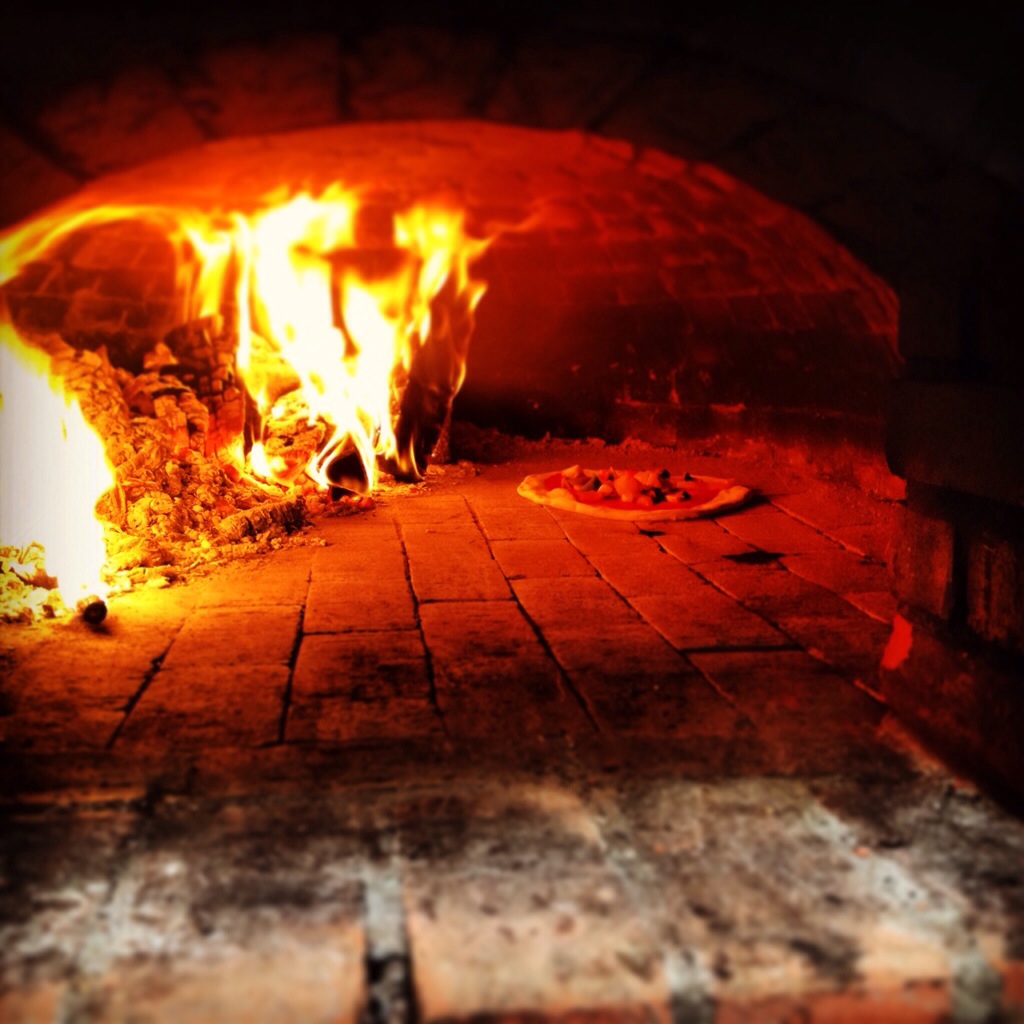
Maarten says another key element of making good pizza is to have the right oven. A stone oven is obviously essential but he was also in pizzerias which made use of gas ovens (albeit with a flame). He says the results are not the same but come close.

You obviously need to open the dough well. Here the secret is not to throw the dough into the air. This is a gimmick and not the way the Associazione teaches upcoming pizzaiolos.

He had his fair share of pizzas but he says one of the things which surprised him most was a ‘fried’ pizza calzone stuffed with ricotta and pancetta among others which was sensational. He tried this at Pizzeria Di Matteo, which is a very famous pizzeria in one of the narrow streets of Naples.

Many associate the Pizza Marinara with seafood. However, in Campania, the Pizza Marinara is the simplest pizza you can have. It is just a pizza with tomatoes and garlic and has no mozzarella.

For the time being, Maarten will perfect the art of making pizza on his days off from the restaurant. As he says, the two week course in Naples adds to his cooking experiences. Who knows, we might be able to try his pizzas in Gent sometime in future.


My tips for summer reading – Fiction

Summer holidays are fast approaching and with it maybe a bit more time to enjoy reading books which you might otherwise neglect throughout the busier time of the year. The following are some of the books (fiction) I have read over the past few months and which have left a lasting impression.

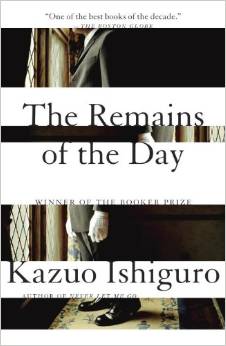
For non-fiction recommendations please wait for a forthcoming post. If there is one book that I would recommend you read from the list below it would be The Remains of the Day.

It is a fantastic read and one which I cannot believe I discovered so late. I might actually re-read it again it is so good.

an officer and a spy

An Officer and a Spy – Robert Harris

Robert Harris is the author of my all-time favourite book Pompei. It is a book which I have returned to time and time again because of the way Harris plots his story based on the famous eruption of Pompei. He crafts the story expertly from the perspective of four main characters.

An Officer and a Spy is his latest instalment and a very topical one at that. This book is actually a spy thriller and examination of the infamous Dreyfus affair which took place in 1895. It is unbelievable that this is based on a true story.

It is told from the perspective of a functionary-turned-whistle-blower and brings to mind the recent cases of mass surveillance and cover-ups. I leave you to read this political and psychological thriller. Dreyfus was wrongly convicted for a crime he did not commit. If you have never entered the world of Harris this is a good place to start.   remains of the day

The remains of the day: Kazuo Ishiguro In a way it is amazing that it took me so long to discover this book. It was written in 1989, was in the home library for quite some time but I never noticed it. When I discovered it and downloaded the ebook, I started this ebook and was instantly hooked.

When I told my wife what book I was reading she told me as a matter of fact that we have it in the library and that it was a briliant book. I can now understand why.

The story is about an English butler who has dedicated his life to the service Lord Darlington. When the house is bought by a new owner, the wealthy American who takes ownership encourages the butler to borrow his car to take a well-earned break, a ‘motoring trip’.

On this trip, Steven, the butler starts a deep reflection about his past. In it he speaks about his relationship with his father, his love for a colleague who loved him but he was too blind to see, the concept of loyalty and also a reflection of how different people have different priorities in life. In the book there are great moments like when the butler is looking back at the things he missed in life and how he finally sees that he has missed the wood for the trees. If you only have time to read one book this summer and you haven’t read it, then make it this one.

the circleThe Circle – Dave Eggers The Circle by Dave Eggers is a compelling read about the implications of our ‘always on’ culture. The Circle is a company which encourages its employees quite religiously to practice what they preach, i.e. to completely forego their privacy and be constantly online sharing even the most private moments online. It is up to you to decide which company Eggers has in mind. What follows is a brilliant reflection of the implications of social media and our obsession with sharing everything. It also looks at the implications for those who do not want to fall into this trap and how that relationship with ‘the connected’ people suffers. Have you taken time to reflect on how you use your smart-phone in social situations and how anti-social this might seem? The story follows the life in the company The Circle of an enthusiastic new employee who is in awe at how great it is to share every moment with friends and even strangers. The story topic might be slightly exaggerated and potentially comical but not too far-fetched when you look at developments like technology wearables like glasses and watches which may soon become mainstream. The book looks at what happens when social media becomes pervasive, i.e. when there is no escaping from the spotlight. What happens in such a society? Up to you to find out.