The good fresh fish shops in Mediterranean countries are a joy to visit. When you have a kitchen available, all you need is to just follow your instinct and choose what is fresh and appealing.
A visit to my favourite fish shop in Malta led me to fresh tuna, which at the moment is available in abundance and incredibly cheap.
What I miss most about the Mediterranean is sea urchins or what we call in Maltese rizzi and in Italian ricci. I have been dreaming of a Spaghetti ai Ricci for a rather long time now. It is the thing I probably miss most from my home country
But alas it was not available at my fish shop and it seems unlikely to be available anytime soon (probably the restaurants at this time of year buy whatever they can find given it is peak tourist season).
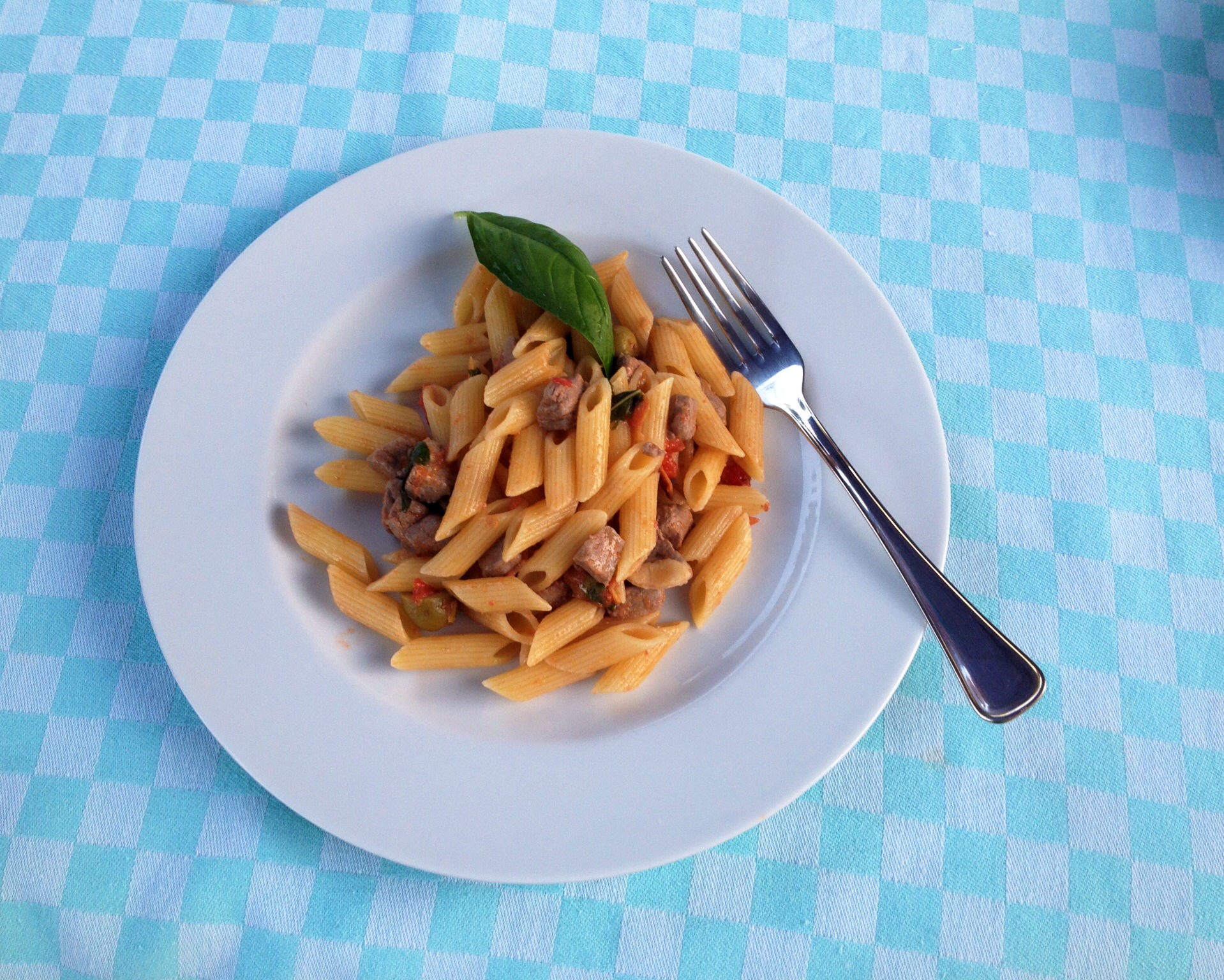
There was an incredible choice but given the fact that the fresh tuna looking incredibly good, I opted for penne with tuna. The following is the recipe.
Ingredients (Serves 4)
500 grammes fresh tuna diced
500 grammes pasta (I choose penne but you can also opt for something else)
2 garlic cloves
Extra virgin olive oil
24 green olives chopped
4 fresh tomatoes
60 grammes slivered almonds
125ml of white wine
A handful of fresh basil
Salt and pepper to taste
1 teaspoon sugar.
Method
1. Boil enough water for the pasta. I normally calculate around 1 litre for every 100 grammes of pasta.
2. When tuna is in season, fresh tomatoes are also in season therefore use fresh tomatoes for this recipe. I normally pierce the tomatoes and place them in boiling water for 30 seconds. They can then be peeled very easily. Remove the seeds and then chop finely.
3. Chop the garlic. Pan fry the garlic in around 3 tablespoons of extra virgin olive oil. Just before it starts to colour add the tomatoes and stir. Add the sugar and salt and pepper to taste and stir occasionally for around 10 minutes.
4. While the tomato sauce is cooking, finely dice the tuna and slice the olives. Add the olives to the sauce after around 10 minutes.
5. In another pan, brown the slivered almonds making sure they do not burn. If you are using a non-stick pan you do not need to add anything. (You can also do it in a grill but make sure they do not burn). Once they have a golden colour remove from the heat.
6. Throw the pasta into the boiling water (that has been adequately salted) and cook according to instructions. (For al dente pasta, I always stop the cooking at least one minute before the instructions since I mix the pasta to the sauce and continue cooking for around a minute).
7. Once the pasta is cooking, add the tuna to the sauce and the white wine and increase the heat to medium. You should make sure that the tuna is not overcooked. Once the tuna has coloured keep the sauce warm. Add the slivered almonds and shredded basil and season to taste.
8. Drain the pasta and then add to the sauce and continue cooking for around 1 minute. Serve immediately with an additional drizzle of extra virgin olive oil to taste.
Wine suggestion: It is summer and this is a summery pasta dish with fresh Mediterranean ingredients. Tuna is a versatile fish which can even be enjoyed with a light red wine. However my recommendation would be a nice Sicilian white wine. A blend of Chardonnay and Insolia (the Angimbe from Cusumano for example) would work wonders with this dish. Most pasta dishes marry well with Italian wines. Another option for a white wine would be a Falanghina from the Campania region. A Vermentino from Sardegna or Tuscany would also work well.
The area around Place Chatelain in Brussels is one of my favourite places to just walk around, just sit down for a drink or eat. It has a superb ‘village feel’ with many boutique stores which are a breath of fresh air in cities that are starting to look the same with the common branded high-street stores.
It is one of the first areas of Brussels I discovered when I moved to this city nine years ago. And it is constantly evolving though it hasn’t lost any of its charm. Old places which have stood the test of time are complemented by new establishments which open from time to time and which hope to also become regular fixtures of the area.
Recently we stopped for a quick bite at Knees to Chin, a newish place on Rue Livorne, in between Avenue Louise and Place Chatelain.
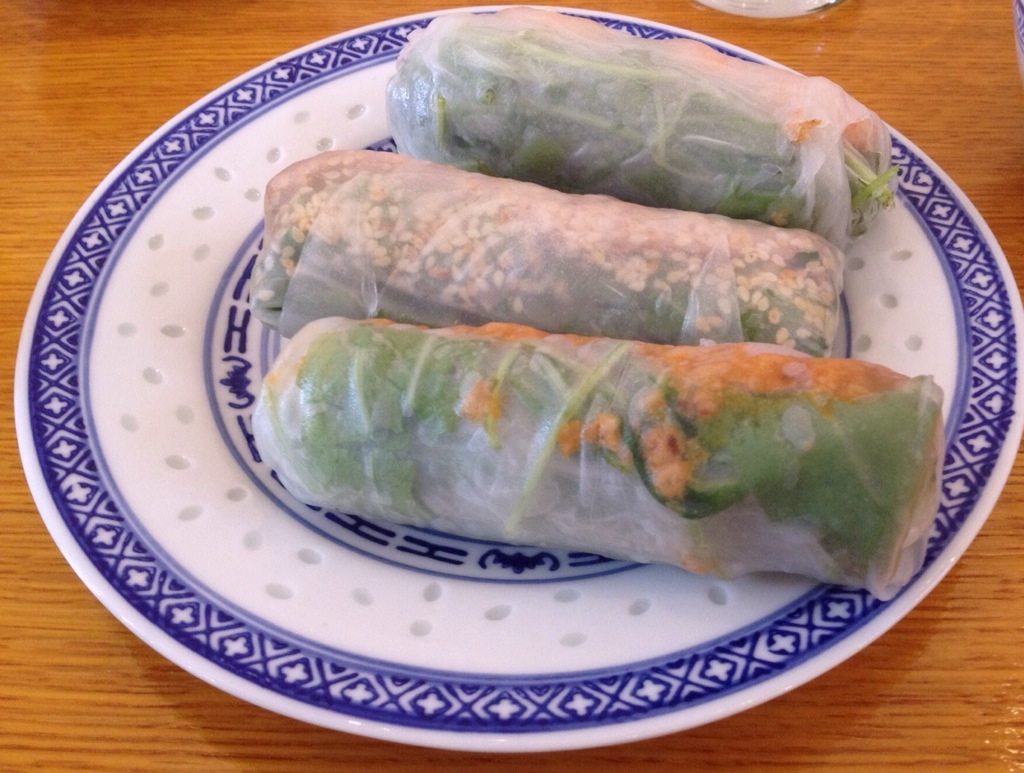
The concept is very simple but effective. If you are looking for a quick and healthy lunch this is the perfect place. They make rice paper rolls which you find in Asia. Using fresh ingredients these rice paper rolls are extremely good particularly on these warm summer days.
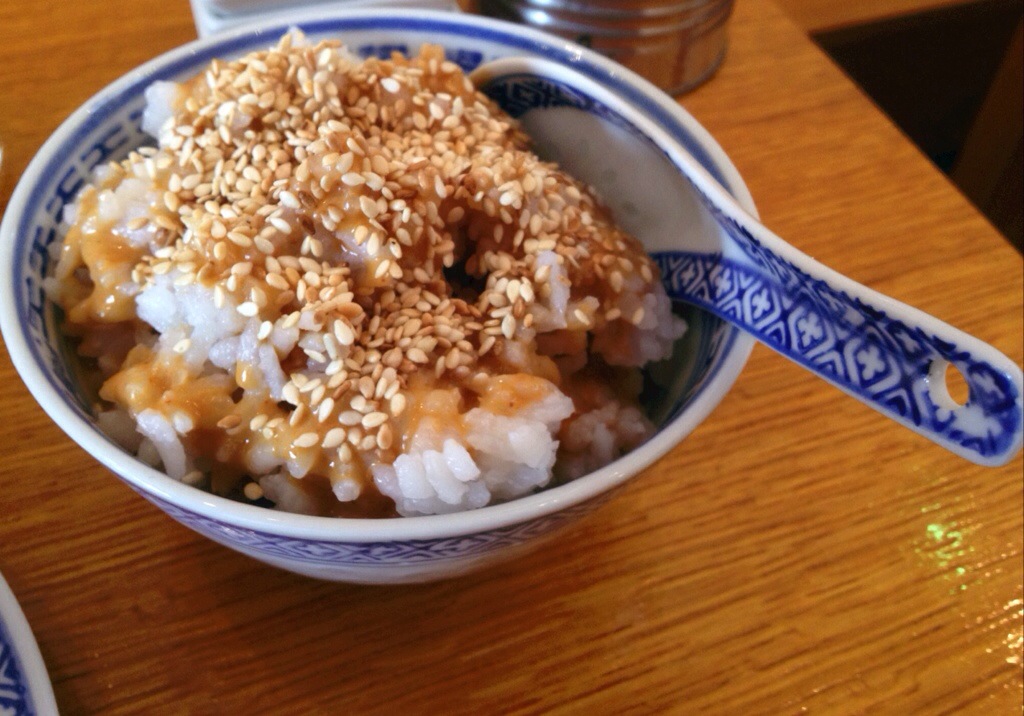
At Knees to Chin they make six different rice paper rolls with a great choice of fish, meat and vegetarian rolls. You can also opt for the lunch menu with a choice of either two or three rice paper rolls and a bowl of rice finished with a great peanut sauce and sesame seeds or a salad.
The place is very small but has a very welcoming interior design, I liked the display behind the counter with white and green ceramic tiles and the use of upside down colourful jars as hanging lights.
The rice paper rolls I tried were the prawns with mango and fresh mint topped with an avocado sauce, the chicken with pears and rocket served with a peanut sauce and the duck with green apple and caramelised onions served with a sesame sauce were all fresh and very tasty. The bowl of sticky rice was excellent.
The great thing about Brussels is that more and more great spots with interesting concepts are opening. These places thrive because of good service, excellent food and word of mouth. If you are in the area you should give it a try.
Verdict: the concept is good and unique for Brussels. The produce is fresh. For a quick and healthy lunch don’t hesitate to go if you are in the area.
You can find Knees to Chin in rue de Livourne 125, Brussels. This small restaurant is closed on Sundays. Check out their website for opening hours since these will change after 31st August.
Many people rave about the Cinque Terre that you may wonder whether you might end up being disappointed when you visit. Sometimes places just do not live up to their hype.
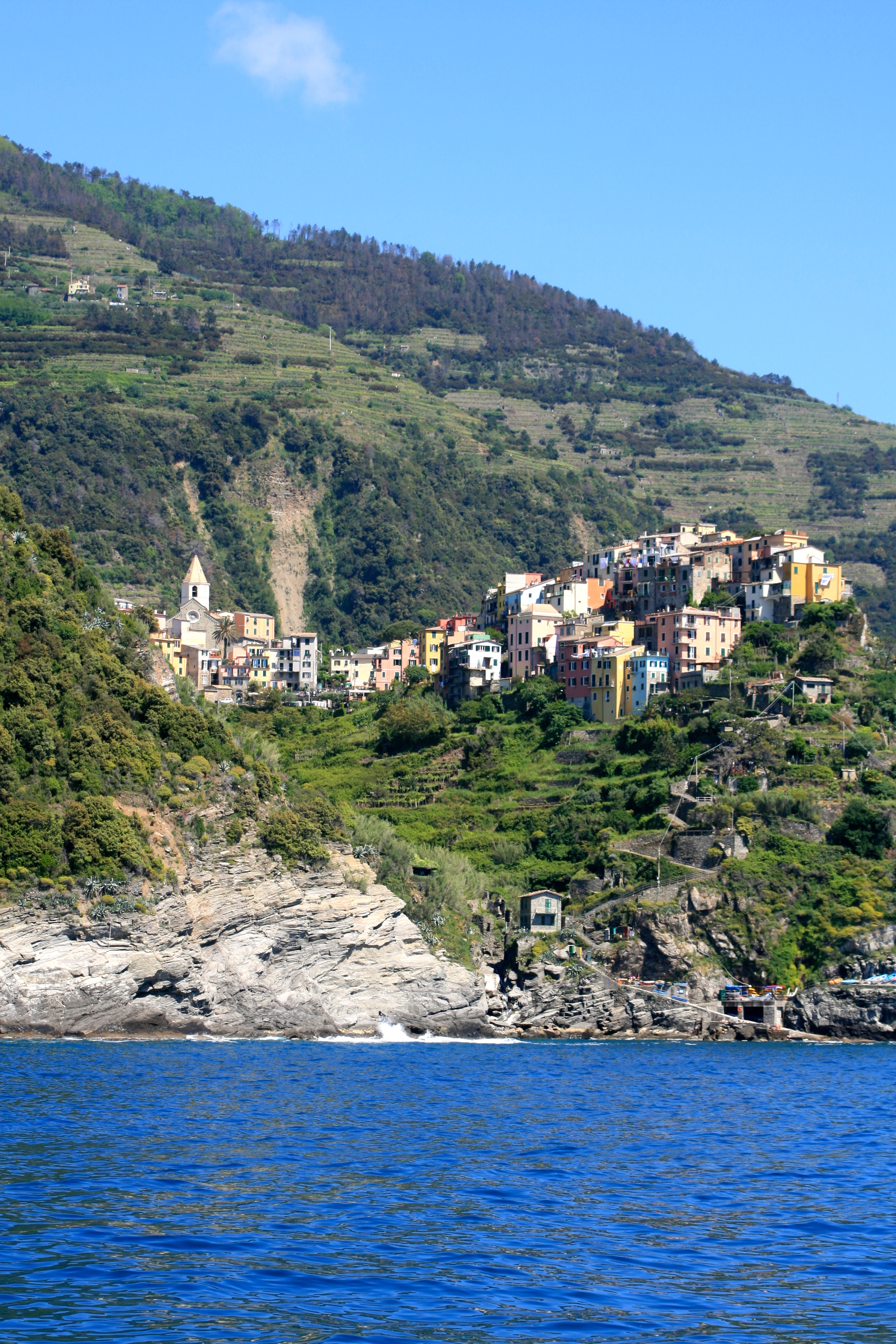
This is not the case with the five villages which make up the Cinque Terre. As the sun glistens on the sea, the waves break on the bow of the small ferry taking you from Monterosso al Mare to one of the other villages, you cannot help but stand in awe at the natural beauty of this place.
The sea is a beautiful dark blue, the cliffs are dark grey making them all the more dramatic and in the background you see beautiful greenery and vineyards and you wonder how this all came about.
It is difficult, if not outright impossible to list what the must see destinations are in Italy. If you do not live there, the only way to go about it is to return time and time again to different parts to savour it all in.
Many times, it all depends on what you would like to do and see. Whether its city trips, a mix of city and countryside or else spectacular scenery, there is a choice for pretty much everyone.
The view from a bar in Riomaggiore
There is, however, something spectacular about the Cinque Terre which makes them one of the most well known destinations in Italy. The “Five Lands” which is the literal meaning of CInque Terre in Italian comprises five villages: Monterosso al Mare, Vernazza, Corniglia, Manarola and Riomaggiore. The coastline, the five villages and the surrounding hillsides are all part of the Cinque Terre National Park. When you go there you will realise why it is also a UNESCO World Heritage Site.
The Ligurian coast might not be as spectacular as the Costa Amalfitana but it gives it, in my view, a very good run for its money.
The Cinque Terre is a must visit in any case. With villages perched over cliff-tops, or accessible only by train, sea or on foot this is really a special pal e.
Both if you are at sea or looking towards the sea the views are nothing short of breath-taking. There are many ways to approach the Cinque Terre. Many people head there for a day trip from Tuscany or some of the main cities of Italy. This is a great pity because Liguria has so much to offer.
The first time we visited, the Cinque Terre had been hit by deadly floods which caused devastation and havoc in some of the villages, particularly Monterosso and Vernazza. The marks of the flood where still visible when we visited.
There are four ways to get to the Cinque Terre. The best option is probably by train. The train ride which goes from Genova to the Cinque Terre and keeps going to La Spezia is spectacular. In many places you will be literally within a stone throw away from the sea. The views are great.
If you are staying in any of the coastal villages or towns (check out my post on Sestri Levante) you will be able to catch the train to the Cinque Terre. In that case, I would recommend that you stop in Monterosso, visit this first village and then take a boat-ride to Riomaggiore which enables you to see the villages from the sea. This is clearly one of the highlights.
Another option would be to take a boat ride from Sestri Levante or Porto Venere at the other end of the Ligurian coast. There are also boats from the harbour of Genova and La Spezia. We are told that the views are amazing. Unfortunately, the two times we visited the boat rides were not operational because of the rough sea.
The third option, once you get there, is to walk from one village to another. The Cinque Terre are in fact famous for a walking trail called the Sentiero Azzurro which connects the five villages. Given that most of them involve climbing or going up stairs, we have unfortunately not walked the trail or parts of it yet given our children are still too young to walk the whole way.
The other option is to go there by car. But this is not recommended. First it is not easily accessible and you will only be able to reach a few of the villages. Parking is not cheap and easy to find particularly during peak season.
The villages have been built over the centuries by people who carefully built terraces on the rugged steep landscape right up to the cliffs that overlook the sea. One of the allures of these villages is the fact that they are not ruined by commercial interests and while paths, trains and boats connect the villages, most of them are not reachable by car.
The wines of the Cinque Terre are very special. You can see why from the photos because the terrain is very rough and the vineyards are on cliffs which go down to the sea and the wines produced therefore have exceptional minerality. The grapes are Bosco, Albarola and Vermentino. These grapes are used to make the Cinque Terre wine as well as the Sciacchetra which is a really special sweet wine. One recommendation if you are in the Cinque Terre is to try the Sciacchetra as an aperitivo. Sip it while enjoying great views. Life doesn’t get much better.
Vernazza with the vineyards in the backgroundThe tiles of RiomaggioreView from Monterosso al MareView from the sea
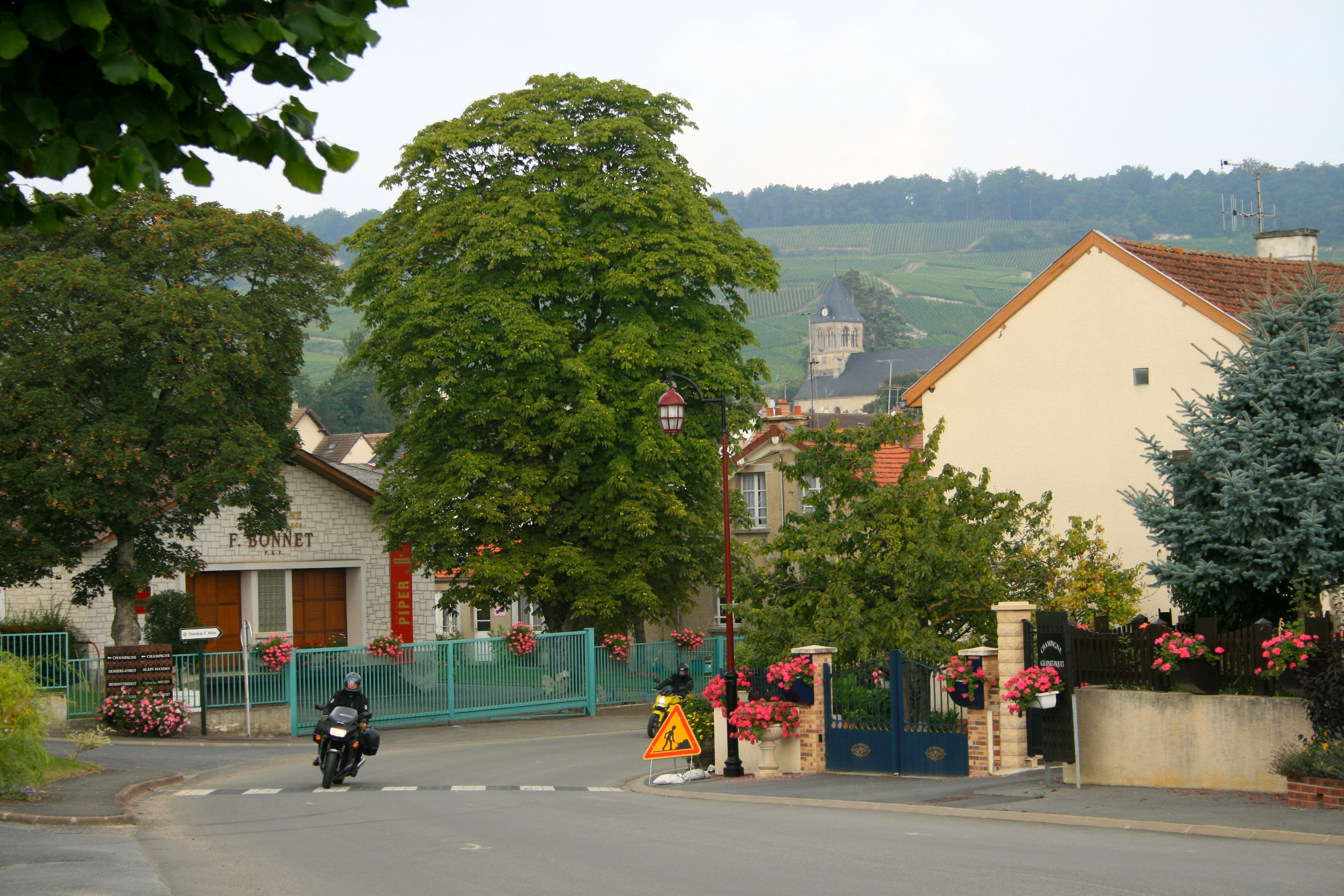
The first time we went to the Champagne region in France we had read about a very small producer in the South-East area of champagne in the Aube region known as the Côte des Bar. This is far away from the glitzy Champagne capital of Reims and Epernay. The Aube region produces a quarter of France’s champagne, and much of what the small producers make is sold on to the big houses that line the Avenue de Champagne in Epernay.
We were relatively new to visits to wineries in France and given that this was just before the summer period, we assumed that going to wineries for tastings would be pretty easy.
Finding the winery in Ville sur Arce did not prove a problem but given we arrived at lunch time there was a problem. The village just had a few houses and since it was lunch time we were by now pretty hungry. We headed to the winery to see whether we could get the tasting over and buy a few cases of champagne but found a note saying that the winemaker would only be back in three hours.
Given the fact that there was nothing to eat anywhere in the village, we headed to a village closeby. But to our dismay, everywhere was closed. This was again a wake-up call for us. I had read that holidays are taken seriously in France and Italy in summer but this seemed to defy logic.
Two village restaurants were closed for the holidays, we tried the bakery but it was also closed for the afternoon and would only reopen at 4pm. By now, panic was setting in. I am normally calm but there are a few things which can bring a temper. These are normally thirst and hunger. Only two shops were open at this point, the village supermarket and a bar. We asked at the bar whether there was any place we could eat and they told us the kitchen was closed but they would be happy to make a steak with fries.
Beggars cannot be choosers so we ventured in and had what at the time was probably the worst ever meal that we could eat in France. Nothing bad about it but just the fries were from a packet and the meat overcooked. It became all the more disappointing when some locals walked in half an hour later and were served with what looked like very appetising food.
Not yet ripe for picking
We finally made it to champagne Remy Massin et fils and ended up spending a good hour with Madame Massin who gave us a thorough explanation of the soil conditions of the terroir and then led us through a tasting. This was our first experience with champagne and was indeed a great eye-opener particularly since we then headed to Epernay and Reims for some champagne tasting at the major champagne houses. It was also the first time I managed to have a full conversation in French, albeit with a pronunciation which must have been close to incomprehensible.
We headed to Moet et Chandon a few days later and toured the beautiful champagne house and cellars. While the wine house, grounds and cellars in the city of Epernay are majestic, the minute you taste the wines, you realise that these are commercial champagnes and have nothing to do with champagnes produced by smaller producers or the top cuvees.
It seems like adventures are always within reach when we are in Champagne. When our stocks finished, two years later we headed back to the region, given it is within 2 and a half hours drive from Brussels. We were having a great time when on a Sunday morning towards the end of July panic struck again.
I was taking a scenic route amid the beautiful scenery of the Montagne de Reims and was hoping to fill my fuel tank since it was now on reserve. I still had a 70 kilometre range so there was no reason to panic. Little did I know that finding a petrol station open on a Sunday would be a far greater challenge. I tried two in different villages but both were closed and did not have an automatic pump. Given I was on reserve, I looked for the nearest petrol stations on the GPS and headed to the next village to again find the petrol station closed. I therefore went to the next one. This was on a national road so I was confident that this time we would be able to fill up the tank. But as we arrived, there was a sign saying the petrol station was closed for the holidays. It was 1 August and the sign said the petrol station will be closed till the end of August. By now, we were reaching a state of desperation. I walked into a hotel next door to the petrol station and asked the receptionist to guide us to the nearest petrol station explaining that we only had an 11 kilometre range left. She sent us to a supermarket a few kilometres away and told us that she was sure that there were automatic pumps. We ventured there knowing that if we got it wrong this time we would run out of fuel in the countryside on a hot August day. We were relieved to make it with just 7 kilometre range to spare and find that we could finally fill our fuel tank.
But amid these adventures (and this happens in many wine regions in Europe in the quiet months), this is a region worth visiting and not only for tasting champagne though there is a certain allure to walking in a bar, restaurant or cafe and being able to order a glass of champagne and enjoy the world go by.
One word of warning though, you will never look at champagne in the same way after a visit. You might become a bit more discerning and snob some champagnes which you might have been accustomed to before but which become too glitzy and commercial. That is not a bad thing though.
There are various ways to approach Champagne as a region. You can either base yourself in one of the main cities and then go for a day trip outside the cities or else you can try to stay in an idyllic village though risk not having amenities closeby.
There are three main areas to discover. There is Reims and its surroundings also known as Montaigne des Reims, there is Epernay and the Marne Valley with the famous Cote des Blancs which specialises in champagne made solely from the Chardonnay grape. Then there is the Aube, further south.
Great scenery wherever you go
The scenery in Champagne is always pleasing. Hautvillers, the home of Dom Perignon (who discovered the famous champagne method to make sparkling wine) is a very scenic village with picturesque houses and amazing views. The small champagne house Champagne G. Tribaut is not only worth visiting for its wines but also for the splendid views from its terrace. On a nice summer day, you might be able to taste their champagnes on a terrace overlooking vineyards. It is worth keeping in mind when you are visiting the region that most small champagne houses are closed on Sunday.
View from the terrace of Champagne G. Tribaut
In Hautvillers you can also sit and laze in the main cafe in the centre, the Cafe d’Hautvillers or else head to a splendid wine bar and shop Au 36 where you can either buy a great range of champagnes, taste wines and eat.
Another favourite village of ours is Oger in the Cote des Blancs. Getting to the Cote des Blancs is firstly very scenic. Oger is home to one of my favourite small champagne houses Jean Milan.
The picturesque village of Oger
Apart from the small villages, you would do well to visit the main cities of Champagne. These are Reims, Epernay, Chalon en Champagne and Troyes.
Reims is easily reachable from Paris and Brussels. The architecture in these cities is stunning, the cathedrals, as you can expect in this part of Europe beautiful. If you have time to visit only one champagne house, make it Pommery. Its chalk cellars are stunning as is the estate.
There is a big difference between Reims and Epernay. In order to visit a few of the major champagne houses in Reims you will need a car because the avenue which houses these wineries is huge. On the other hand, most of the champagne houses in Epernay can be found on probably the most spectacular street in the whole of Champagne. This is the Avenue de Champagne which houses some of the most impressive estates in the regions. All the top champagne houses of Epernay are within an area of less than a kilometre and the estates such as the one below are stunning.
In future blogposts I will give you tips on what to do and see in Champagne and its surroundings as well as a review of some of my favourite small Champagne producers.
There was a sense of disappointment in our family when Giovanni on Chaussee de Vleurgat closed a few years ago. When we arrived in Brussels nearly nine years ago, it was not only close to home but it also served one of the best Italian espressos or cappuccinos you could find in Brussels. Moreover, the cannoli (which we are so accustomed too in Malta) were to die for.
Now either my palate has become accustomed to ‘worse’ coffee or else the Belgian coffee scene has clearly made remarkable improvements. I tend to believe that it is more the latter than the former.
Italian food is clearly comfort food but Lebanese food can be exceptional particularly when using fresh ingredients. I can today say that his replacement has proved himself on many occasions over the past years.
O Liban is a great place to stop for a quick lunch or dinner. It is also perfect to grab a take-away or to try one of their delicious typical Lebanese ‘sandwiches’ or pittas. They are all excellent using fresh ingredients, excellent sauces like the garlic sauce or hummus. They are so good that you might develop a craving for them. Whenever I am in the area of Bascule at lunch time, I nearly always end up going to grab a sandwich from there. My favourites are the lamb kefta, chicken and the falafel.
Hummus (better known as a chickpea dip) can easily be made at home or bought from a supermarket or speciality shop. Nevertheless, the test for a Lebanese restaurant is to make hummus taste special. O Liban passes this test with flying colours.
This is also an excellent place if you are vegetarian. Among the lunch or dinner options, you can put together a plate of your choice with some of the dishes that are ready prepared and which you can either eat at the restaurant or else take home. The meat option includes a choice of meat as well as six vegetable dishes or salads while the vegetarian option (also excellent for non vegetarians) gives you an option for eight different choices. You can of course include the excellent hummus as well as the Moutabal which is an incredibly tasty aubergine dip.
O Liban is great for a quick lunch or dinner. It is always busy which is a guarantee for fresh ingredients and salads. Service is extremely good though at times when it gets extremely busy might be a bit slow at the start.
If you are craving Mediterranean food and looking for something quick, comforting and good, O Liban on Chaussee de Vleurgat is a great choice.
If you have never tried Lebanese wine, this is also your chance to try it. We have always tried the ground floor snack and ‘traiteur’ though there is a restaurant on the first floor which also serves interesting set menus.
Verdict: If you develop a craving for their ‘sandwiches’ using the typical Lebanese flat bread do not blame me. They are that good. Among their vegetable choices, you need to try the hummus, moutabal and the ‘moussaka’. This Lebanese version is a stew of aubergine, chickpeas and tomatoes and is incredibly tasty. Go there for a quick takeaway or else for a casual lunch or dinner. You will not be disappointed.
O Liban is open everyday (closed in the evenings on Sunday and Monday). He can be found at Chaussée de Vleurgat 324, close to La Bascule.
If you only have 15 minutes to spare this weekend, you must watch the video reportage from The Guardian on poultry factories.
Under the heading Revealed: the dirty secret of the UK’s poultry industry, it shows disgusting scenes from chicken factories and suggests that two thirds of chickens sold in the UK are contaminated with campylobacter. The report suggests that although the bug is killed by thorough cooking, around 280,000 people in the UK are currently made ill each year by it and 100 people die. It suggests that the contamination rates are known to have increased in the past decade.
My perspective of food changed completely after I read Fast Food Nation by Eric Schlosser. It is since that summer of 2001 that I have never set foot again in a fast food chain. That book had a deep impact on how I viewed food. This new reportage in the Guardian just goes to prove that many years down the line, nothing has improved
There are a few lessons to learn from this reportage.
1. There is no such thing as a free lunch. If a deal is too good to be true, then it is. Unfortunately, many people fall into the trap of trusting the provenance of their food just on the basis that they can buy it from the supermarket or that it is attractively packaged. Many trust that if it is being sold then it has to be good. It is unfortunate because times are difficult and deals can therefore be very attractive but one needs to be cautious about the source of the produce they are buying,
2. It is better to enjoy meat (including chicken) every so often if you cannot afford it but ensure that when you eat it you go for free range or organic chicken. If a supermarket is selling a whole chicken for just over 3 Euros then you need to ask yourself some soul-searching questions before you even decide to buy it.
3. There have been too many food scandals in the past years which are eroding the trust of consumers. But so far, it does not seem to have an impact on the behaviour of consumers.
4. It might not be convenient to shop in your local shops. But everyone of us needs to make an effort to support our local shops rather than big chains since they usually know the precise source of their produce. Build a rapport with these shopkeepers. They are normally incredibly passionate about what they do. We owe it to our children that such stores survive.
5. We need to vote with our feet and show supermarkets that business as usual cannot go on as if nothing has happened. After the horse-meat scandal, one would have expected at least some basic checks. That this has not happened is rather shocking.
And for those who have never read or seen the documentary Fast Food Nation, here is the trailer of the film based on the book.
 The good fresh fish shops in Mediterranean countries are a joy to visit. When you have a kitchen available, all you need is to just follow your instinct and choose what is fresh and appealing.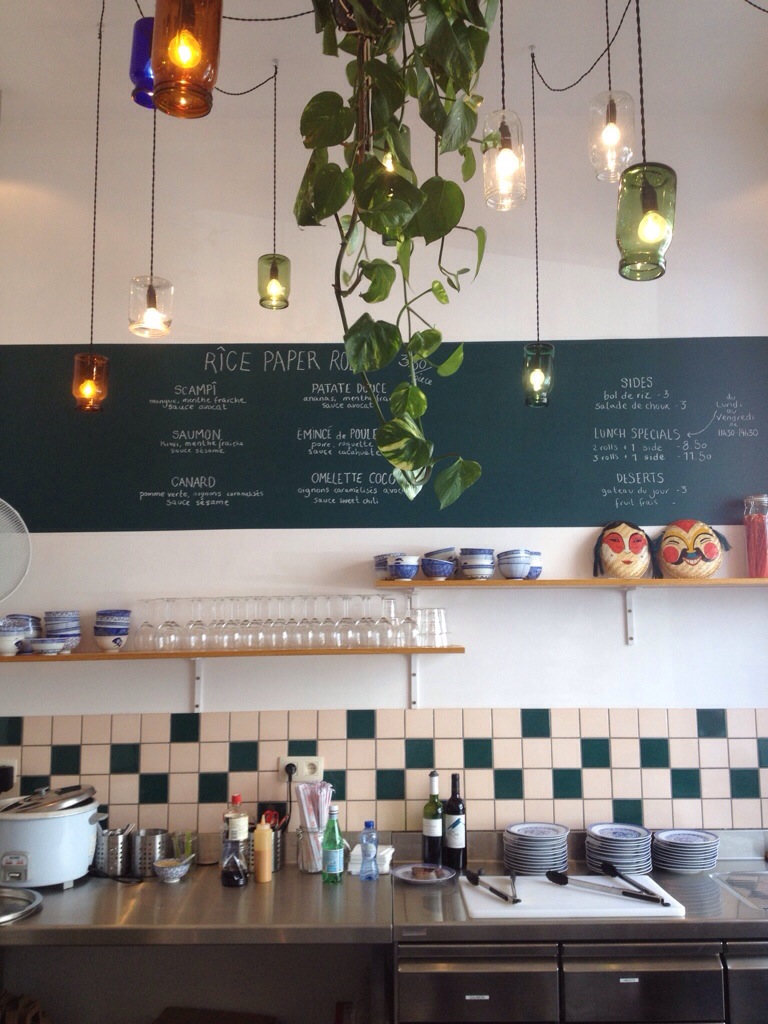





 Ivan Brincat